

US, Iran ‘stand down’ on strikes; talks resume in Doha tomorrow

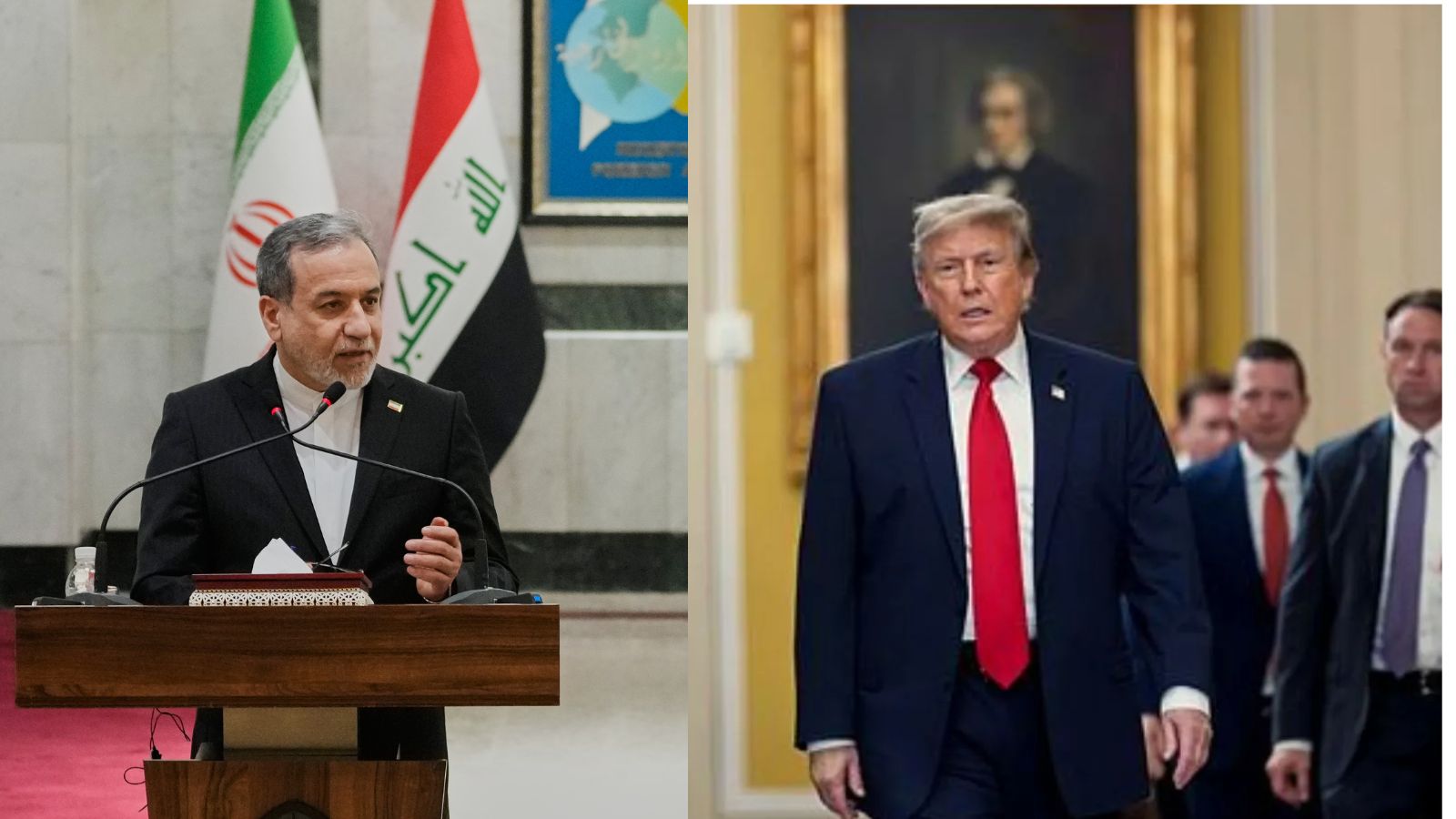
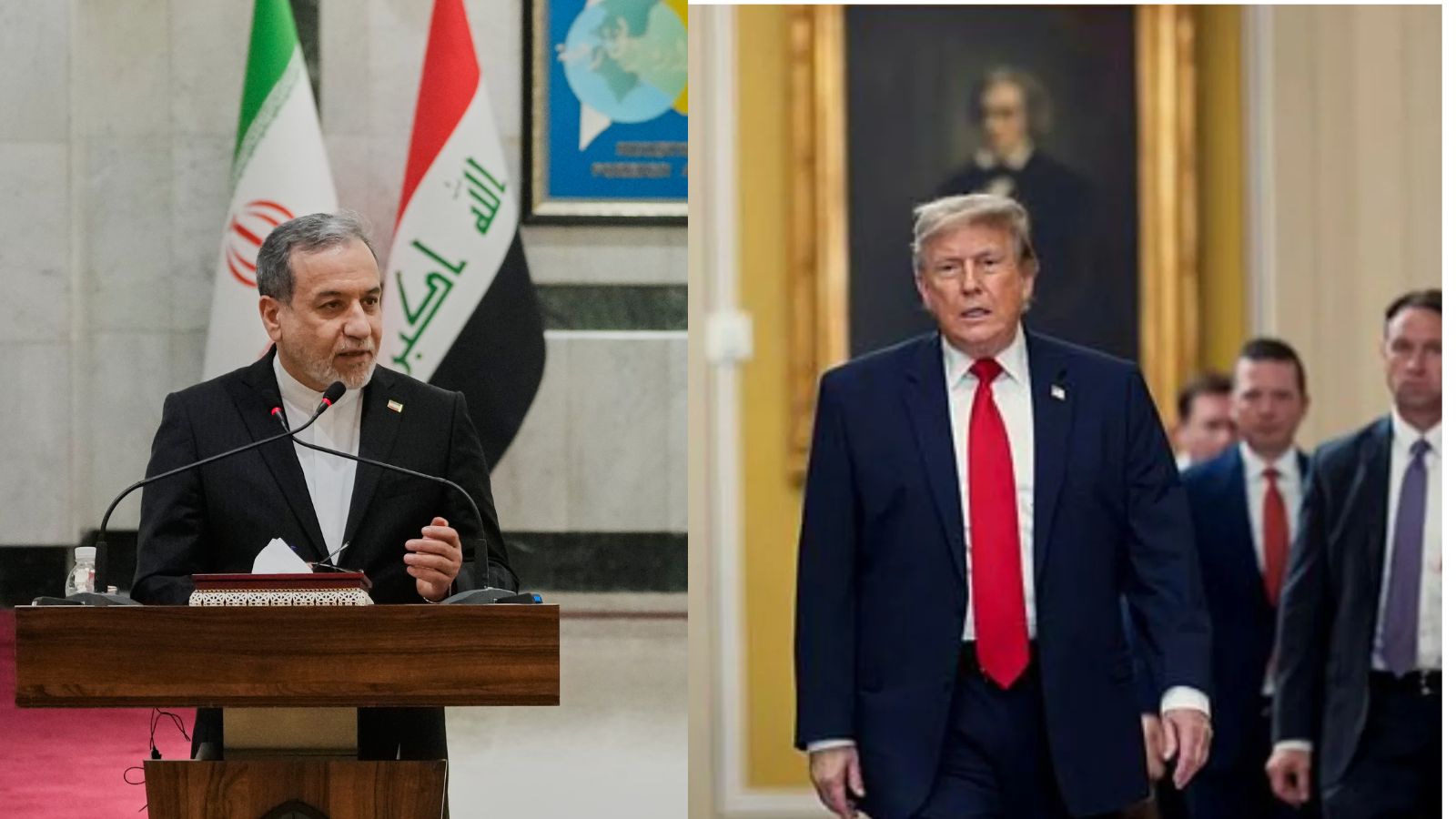
Iran and the United States have agreed to stop striking each other and allow ships to move freely through the Strait of Hormuz, a US official confirmed on Sunday. The move is aimed at pulling theTalks are expected to resume on Tuesday in Doha, Qatar, according to Axios, which first reported the ceasefire. The agreement came after days of strikes and counterstrikes that damaged ships, struck US military installations in Gulf countries and killed at least one person.
How the latest escalation unfolded
The fresh round of hostilities began on Thursday when an Iranian projectile struck a cargo vessel in the Strait of Hormuz, the world’s most important energy shipping route. The US military responded with strikes on Iranian targets. Iran then launched a wave of missiles and drones at US military installations in Kuwait and Bahrain early on Sunday.
Kuwait said its air defences intercepted two ballistic missiles with no damage or casualties. In Bahrain, authorities said an Iranian attack damaged a residential building in Muharraq province, with no casualties reported. Bahrain subsequently called on the United Nations Security Council to hold an urgent session to hold Iran accountable, according to Reuters.
Story continues below this ad
A US official told Reuters there were no American casualties or major damage to US facilities across the region, though the situation was still developing at the time.
Qatar’s interior ministry confirmed that a Qatari national died after sustaining injuries from shrapnel aboard a vessel that had gone missing on Saturday. A second person was injured in the same incident, which the ministry attributed to military operations in the area without providing further details, CNN reported.
Trump’s warning before the stand-down
Shortly before the ceasefire was announced, President Donald npic.twitter.com/CP1OWTEDYv
— Rapid Response 47 (@RapidResponse47) June 27, 2026
Iran’s Foreign Minister Abbas Araghchi said countries in the region must not allow their territory or facilities to be used for attacks on Iran. He also said Washington bears direct responsibility for halting Israeli strikes on Lebanon, which have continued despite a US-brokered framework agreement signed between Israel, Lebanon and the United States on 26 June, CNN reported. Hezbollah, the Iran-backed group exchanging fire with Israel in southern Lebanon, was not party to that agreement and has rejected it.
Where things stand now
The 14-point interim peace accord was originally designed to halt fighting that the US and Israel began on February 28, and to reopen the Strait of Hormuz while negotiations continued on Iran’s nuclear programme and other outstanding issues.
Story continues below this ad
One round of mediated talks, led by US Vice President JD Vance and Iran’s parliamentary speaker Mohammad Baqer Qalibaf, was held in Switzerland last week. Washington waived sanctions on Tehran at that point, but fighting resumed and intensified shortly afterwards, Reuters reported.
Both sides have accused the other of violating the ceasefire. Iran’s Islamic Revolutionary Guard Corps said the US strikes had violated the agreement and warned that American bases in the region would face consequences. Washington said Iranian attacks had missed their intended targets.
Despite the renewed stand-down, the situation remains in flux. Lebanon, Hormuz and Iran’s nuclear programme all remain unresolved, and Tuesday’s talks in Doha will face the task of keeping a ceasefire together that has already broken down once.
