


US Iran War Live Updates: Grossi says IAEA hopes to inspect Iran’s nuclear sites ‘as soon as possible’


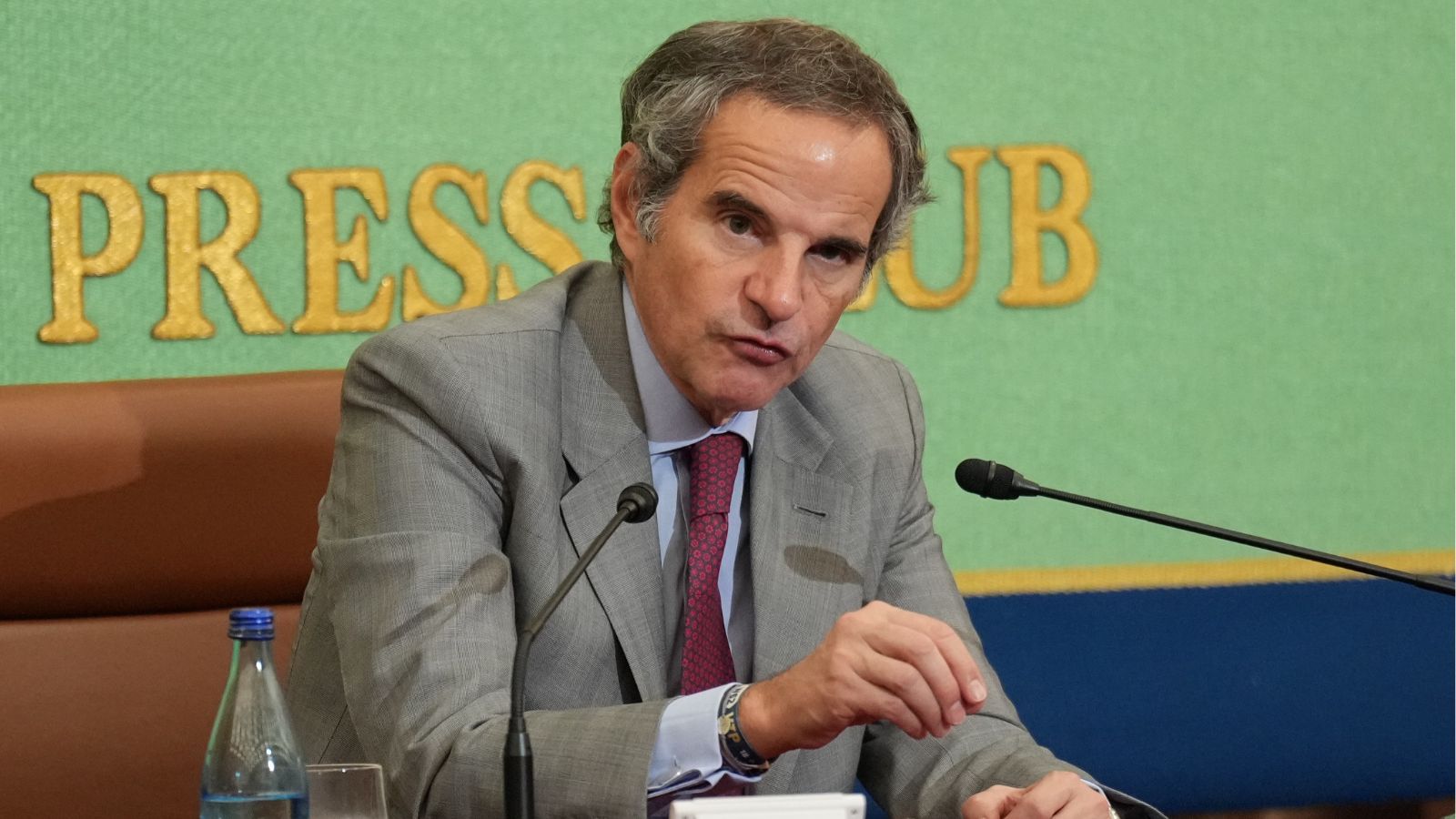 Rafael Grossi, International Atomic Energy Agency Director General and a candidate for United Nations Secretary-General, responds to a reporter’s question during a news conference at the Japan National Press Club in Tokyo. (Photo: AP)
Tensions in West Asia have escalated further as Israeli Prime Minister Benjamin Netanyahu firmly rejected a military withdrawal from occupied areas of southern Lebanon, even as fresh strikes ignited accusations of ceasefire violations. Meanwhile, the fragile framework of the US-Iran peace accord faced a dual challenge in the Persian Gulf.
Following a high-level security summit in Bahrain, US Secretary of State Marco Rubio and Gulf Arab allies formally rejected Iranian attempts to levy transit fees on international shipping, drawing a sharp counter-warning from Iran’s Islamic Revolutionary Guard Corps (IRGC) against unauthorized transits through the highly volatile Strait of Hormuz.
Story continues below this ad
5 latest developments:
- Netanyahu holds ground in Lebanon: PM Benjamin Netanyahu said the IDF will keep strategic positions in occupied southern Lebanon, rejecting pressure to link a withdrawal to the US-Iran peace deal.
- Hezbollah alleges civilian strikes: Hezbollah accused Israel of “flagrant” ceasefire violations, claiming IDF strikes in southern Lebanon killed civilians returning home.
- US and GCC oppose Iran shipping fees: Secretary of State Marco Rubio and the GCC demanded “free, unconditional, and unrestricted navigation” in the Strait of Hormuz, rejecting Tehran’s proposed transit tolls.
- IRGC warns on Strait access: Iran’s IRGC said foreign vessels crossing the Strait of Hormuz without authorization will be “forcefully dealt with.”
- Maritime ops halt after attack: Following a projectile strike on a Singapore-flagged ship off Oman, the IMO paused its emergency ship evacuation framework in the region.
Section 1
Key facts
Location
Connects the Persian Gulf to the Arabian Sea.
Global oil
Around one-fifth of the world’s oil passes through the Strait.
Shipping
Critical route for oil tankers and LNG carriers.
Latest
Iran says vessels must follow routes designated by Tehran.
Section 2
Countries dependent on the Strait
Persian Gulf
Saudi Arabia
Iraq
UAE
Kuwait
Qatar
Iran
The chokepoint
Strait of Hormuz
↓ Out to the Arabian Sea & world oil markets
Schematic — not to geographic scale.
Section 3
Why it matters
Oil prices
Any disruption to flows can push global crude prices higher.
Fuel costs
Costlier crude can feed through to petrol and diesel prices.
Global shipping
Re-routing, delays and higher insurance can raise freight costs.
India’s energy imports
India sources a large share of its crude from the Gulf via the Strait.
Section 4
Current situation
US-Iran negotiations underway
Iran issues Hormuz navigation warning
Ships asked to follow designated routes
Markets watching oil supply
Developing
Sources: U.S. Energy Information Administration (oil-share estimate); news agency reports. Verify against desk sourcing before publish.
Follow The Indian Express Global Desk’s live coverage for the latest updates from West Asia, the diplomatic corridors of Europe, and the evolving legal battles in Washington.
Live Updates
Stay updated with the latest – Click here to follow us on Instagram
© IE Online Media Services Pvt Ltd