

US Iran War News Live Updates: Iran reopens strait of Hormuz but US blockade remains

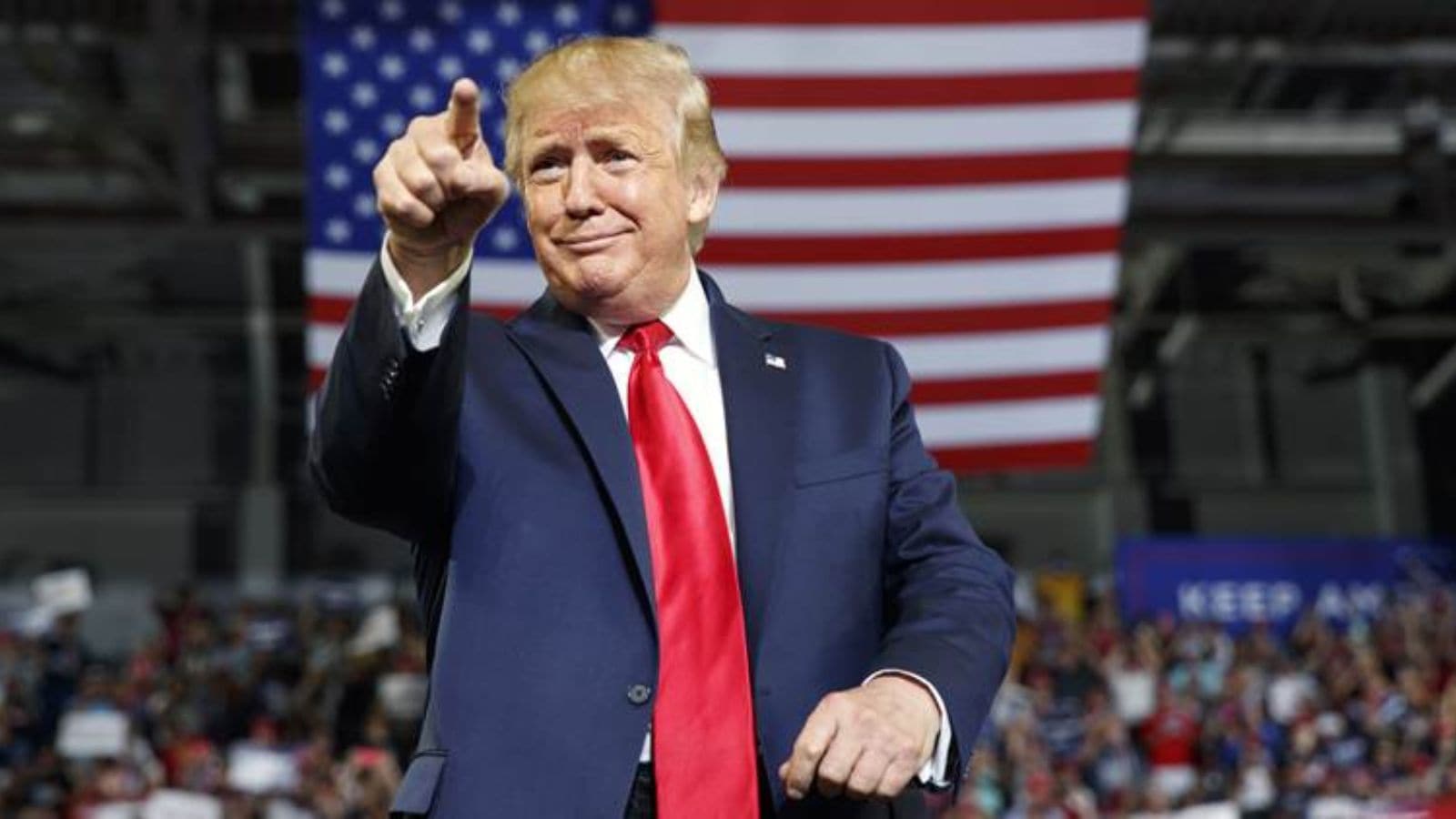
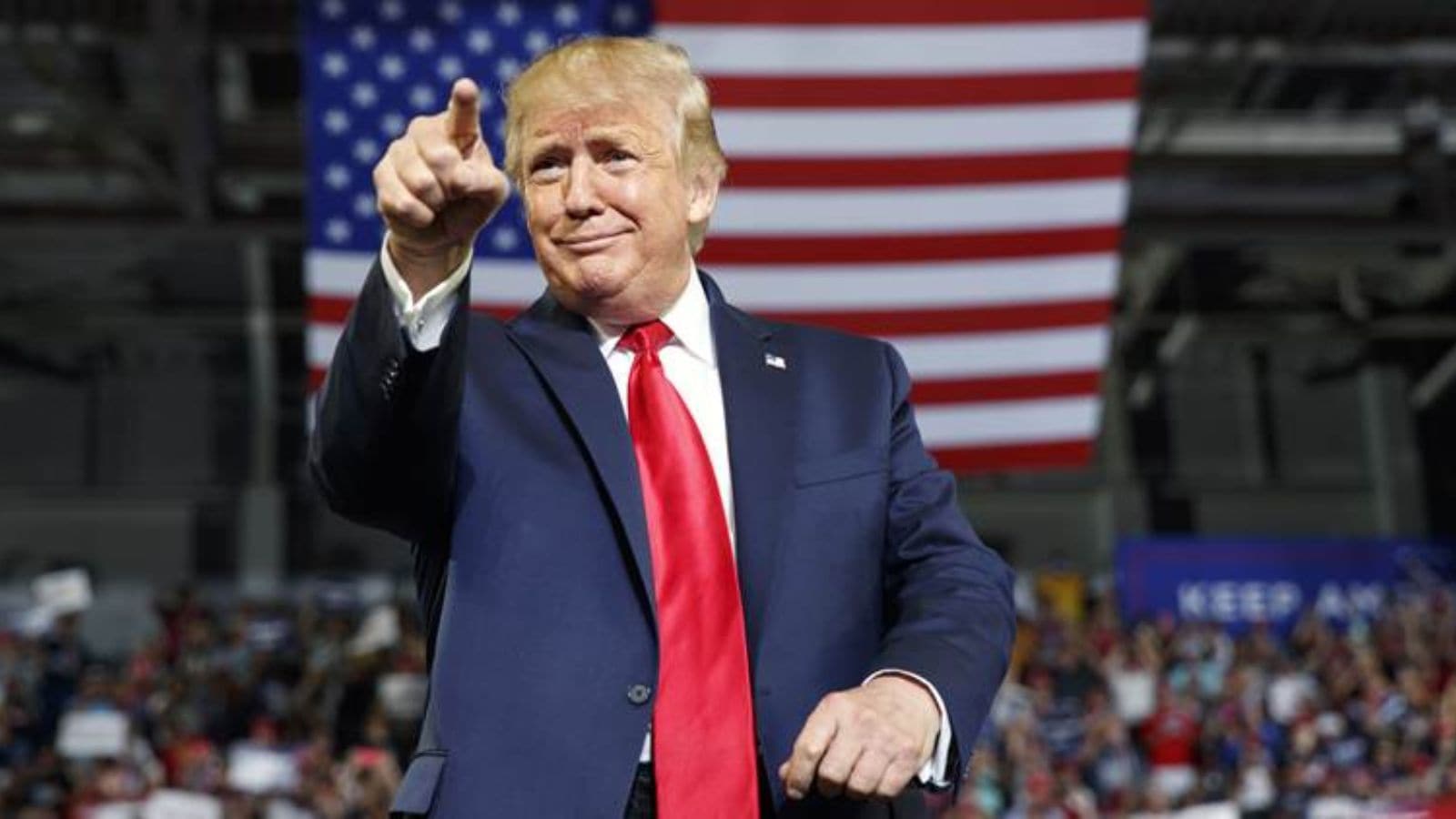
US Iran News LIVE: Moments after Iran announced to reopen the Strait of Hormuz, President Donald Trump said the US will enter Iran at a “leisurely pace” to recover its enriched uranium and bring it back to the US, the Reuters reported. Meanwhile, oil prices plunged by over 10% on Friday, extending previous losses, after Iran’s foreign minister said that the passage for all commercial vessels through the Strait of Hormuz was open for the remaining ceasefire period, in line with that in Lebanon. Brent crude futures dropped by $11.12, or 11.2%, to $88.27 a barrel at 1311 GMT. U.S. West Texas Intermediate crude futures fell $11.40, or 12%, to $83.29 a barrel.
Threat to Iranian negotiators: Pakistan’s air force escorted Iranian negotiators home from inconclusive peace talks with the U.S. last weekend, launching a major operation after the Iranians said Israel might seek to kill them, the Reuters reported on citing sources. This comes at a time when the countries are once again looking to meet and negotiate peace.
Story continues below this ad
The ground situation in Lebanon: a fragile calm has settled over Lebanon this Friday as a 10-day ceasefire, brokered by US President Donald Trump, appears to be holding despite the immense destruction left in the wake of seven weeks of conflict. Washington is hailing the pause in hostilities between Israel and the Iranian-backed militant group Hezbollah as a “historic” breakthrough—one that mediators hope will serve as a pilot for a broader de-escalation between the United States, Israel, and Iran.
While the guns have fallen silent, the diplomatic stakes remain at an all-time high. US envoy Tom Barrack described the truce as the “beginning of a road,” emphasizing the delicate nature of the negotiations. For Tehran, the end of the war in Lebanon was a non-negotiable prerequisite; for the West, the focus now shifts to the worsening global energy crisis. With the Strait of Hormuz remaining largely blocked, international leaders are gathering in Europe to find a solution to the oil route’s closure—notably without US participation.
On the ground, the human cost is coming into sharp focus. Displaced Lebanese citizens returning to southern villages and Beirut’s suburbs are finding entire neighbourhoods reduced to “mountains of rubble.” Even as residents wave flags in a show of defiance, the reality of the 45-day war—which has claimed thousands of lives across the region—is etched into the flattened skyline of the Levant.
Iran-US war ceasefire: Here are latest developments
Hezbollah vows vigilance: The militant group praised its fighters for over 2,000 attacks during the conflict but warned its “hands remain on the trigger,” citing deep distrust of Israeli movements during the 10-day window.
Netanyahu’s stance: The Israeli Prime Minister agreed to the pause to “advance” peace efforts, but clarified that Israeli Defence Forces (IDF) will not withdraw from their positions in southern Lebanon for the time being.
Macron expresses concern: The French President welcomed the truce but voiced “concern” over reports of Israeli shelling in southern Lebanon in the early hours of Friday, urging Hezbollah to renounce its weapons.
Energy crisis deepens: As Australia secures deals to underwrite inflated fuel imports and South Korea celebrates a lone tanker successfully navigating the Red Sea, the pressure to reopen the Strait of Hormuz intensifies.
Three sticking points: Regional mediators indicate that any lasting deal between the U.S. and Iran hinges on three volatile issues: Iran’s nuclear program, maritime passage in the Gulf, and wartime reparations.
Ceasefire Under Strain
The 10-day pause aims to reduce hostilities, but distrust and ongoing military positioning suggest it is only a temporary break.
Short 10-day window
No enforcement clarity
Ground tensions continue
Hezbollah’s Signal
The group backed the truce but warned it remains ready for conflict amid deep mistrust.
2,000+ attacks claimed
“Hands on the trigger”
Distrust of Israeli moves
Israel’s Stand
Israel agreed to the ceasefire but is maintaining its troop presence in southern Lebanon.
No IDF withdrawal
Positions remain intact
Security-first approach
Energy Pressure Builds
Global oil supply chains remain disrupted, increasing urgency to reopen key routes.
Australia backing imports
Korea tanker crosses Red Sea
Hormuz reopening pressure
3 Key Issues
Core disputes blocking a lasting agreement.
Iran nuclear programme
Gulf maritime access
War reparations
What Happens Next?
The ceasefire’s future depends on negotiations — any escalation could quickly collapse the fragile truce.
Talks intensifying
Risk of flare-ups remains
Outcome uncertain
Express InfoGenIE
Live Updates
