

US Iran War News Live Updates: Vessels report gunfire as they attempt to cross Strait of Hormuz, says report

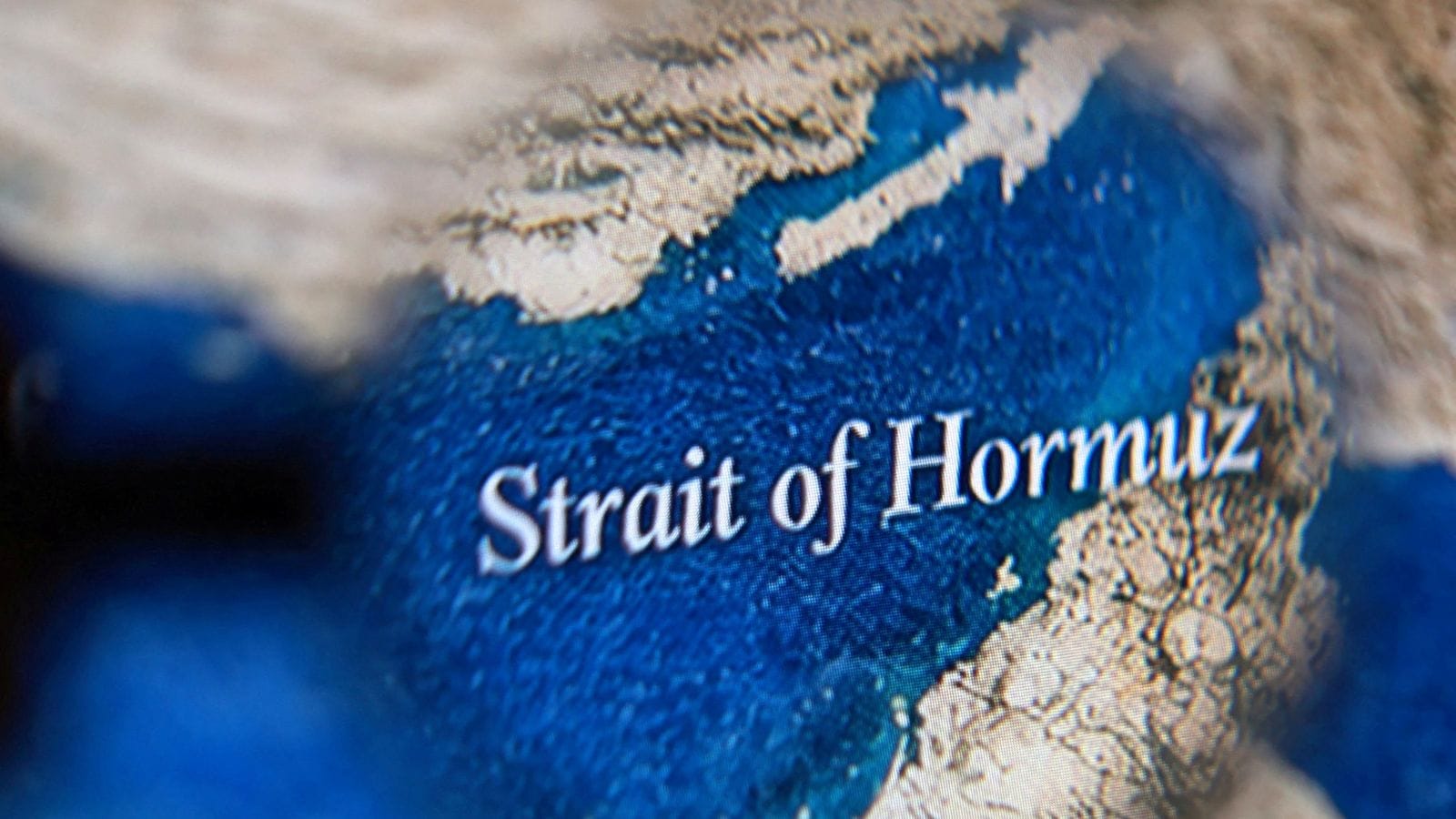
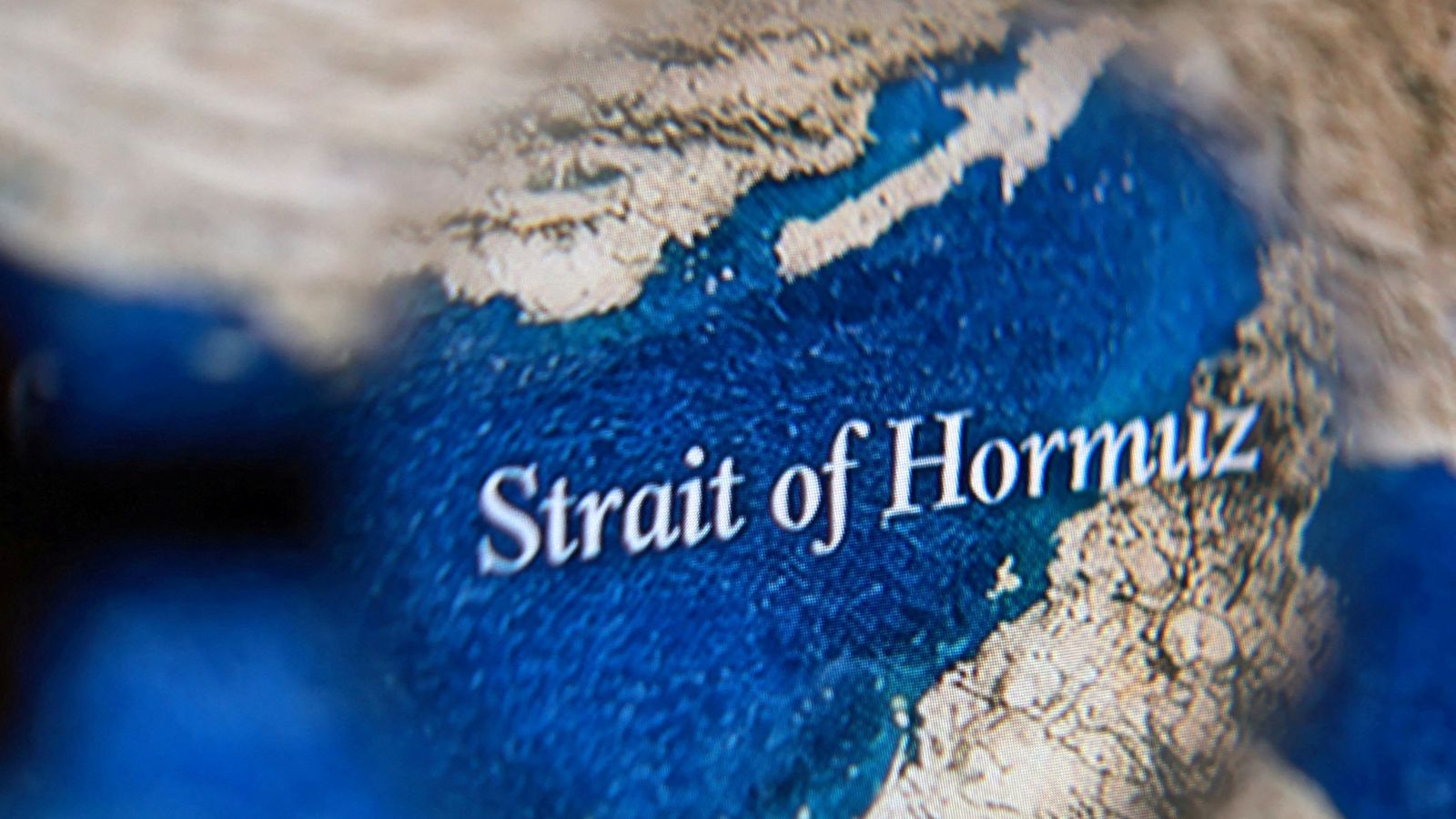 Strait of Hormuz map is seen in this illustration. (REUTERS)
US Iran News LIVE: The fragile detente between Washington and Tehran suffered a major setback this Saturday, April 18, as Iran officially rescinded its decision to reopen the Strait of Hormuz. The Iranian joint military command announced that the world’s most vital oil artery is back under “strict management,” effectively resuming a blockade in retaliation for President Donald Trump’s refusal to lift the US naval siege on Iranian ports.
The escalation comes despite a whirlwind of high-stakes diplomacy. Pakistan’s Army Chief, Field Marshal Syed Asim Munir, has just concluded a critical mission to Tehran, attempting to broker a settlement before the current ceasefire expires on April 22. While President Trump teased “pretty good news” and suggested a deal is within reach, his insistence that the blockade remains in “full force” until a “100% complete transaction” is reached has drawn a fierce rebuke from Iranian leadership.
Story continues below this ad
As the 10-day truce between Israel and Hezbollah enters its second day, the region remains on a knife-edge. With the Strait of Hormuz closed once more and the US-Iran ceasefire ticking toward its Tuesday deadline, the stakes for next week’s scheduled talks in Islamabad could not be higher.
Iran-US war ceasefire: Key developments
- Hormuz lockdown: Iran’s military warns transit will remain blocked as long as the US blockade of Iranian ports continues, reversing a brief opening earlier this week.
- Trump’s ‘transaction’: Speaking aboard Air Force One, the President stated he will not ease naval pressure until Tehran yields on demands, including its nuclear programme.
- Pakistan’s mediation: Field Marshal Asim Munir met with President Masoud Pezeshkian; Islamabad is now preparing to host a second round of direct US-Iran talks.
- Ghalibaf’s warning: Iran’s Parliament Speaker dismissed Trump’s optimism, labeling several US claims “false” and reaffirming Iran’s defensive posture.
- The 10-day window: While a ceasefire holds in Lebanon, Hezbollah warns its “hands remain on the trigger” as the IDF maintains positions in the south.
Ceasefire Under Strain
The 10-day pause aims to reduce hostilities, but distrust and ongoing military positioning suggest it is only a temporary break.
Short 10-day window
No enforcement clarity
Ground tensions continue
Hezbollah’s Signal
The group backed the truce but warned it remains ready for conflict amid deep mistrust.
2,000+ attacks claimed
“Hands on the trigger”
Distrust of Israeli moves
Israel’s Stand
Israel agreed to the ceasefire but is maintaining its troop presence in southern Lebanon.
No IDF withdrawal
Positions remain intact
Security-first approach
Energy Pressure Builds
Global oil supply chains remain disrupted, increasing urgency to reopen key routes.
Australia backing imports
Korea tanker crosses Red Sea
Hormuz reopening pressure
3 Key Issues
Core disputes blocking a lasting agreement.
Iran nuclear programme
Gulf maritime access
War reparations
What Happens Next?
The ceasefire’s future depends on negotiations — any escalation could quickly collapse the fragile truce.
Talks intensifying
Risk of flare-ups remains
Outcome uncertain
Express InfoGenIE
Live Updates
Stay updated with the latest – Click here to follow us on Instagram
© IE Online Media Services Pvt Ltd
