



US Supreme Court strikes down Trump’s sweeping global tariffs


2 min readUpdated: Feb 20, 2026 08:58 PM IST
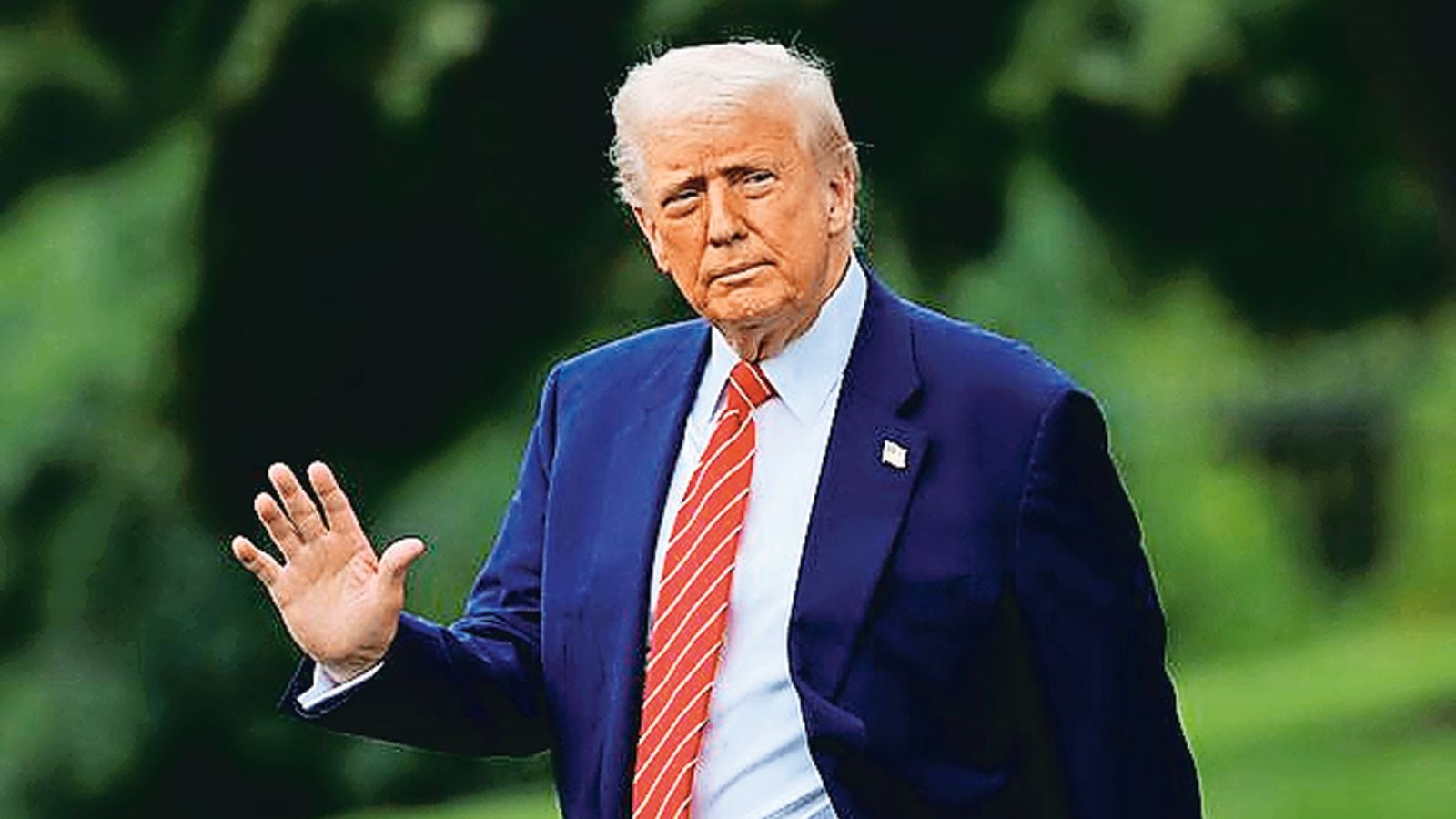
The US Supreme Court struck down President Donald Trump’s global tariffs Friday, upending the central plank of his economic agenda. The 6-3 decision is centred on on tariffs imposed under an emergency powers law, including the sweeping “reciprocal” tariffs that has been levied on nearly every other country.
ARTICLE CONTINUES BELOW VIDEO
This case is the first major part of his agenda to reach the court, where he appointed three conservative justices in his first term. Trump had called the case “one of the most important in US history” and said an adverse ruling would hurt the economy.
What this means
However, the decision made on tariffs doesn’t stop US President Trump from imposing duties under other laws. While those have more limitations on the speed and severity of Trump’s actions, top administration officials have said they expect to keep the tariff framework in place under other authorities.
The Constitution gives Congress the power to levy tariffs. But the Trump administration argued that a 1977 law allowing the president to regulate importation during emergencies also allows him to set tariffs. Other presidents have used the law dozens of times, often to impose sanctions, but Trump was the first president to invoke it for import taxes.
This is a breaking story, refresh periodically for updates.
Stay updated with the latest – Click here to follow us on Instagram
© IE Online Media Services Pvt Ltd
