




Why did US attack Iran again? Wedding deaths, Hormuz crisis, retaliation and what’s next: 10 updates

2 min readUpdated: Sep 2, 2026 06:05 PM IST
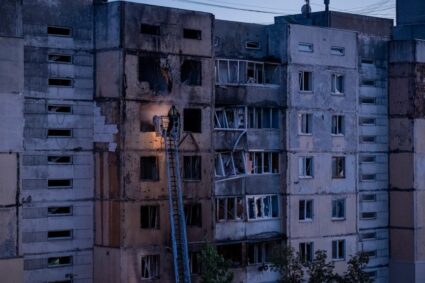
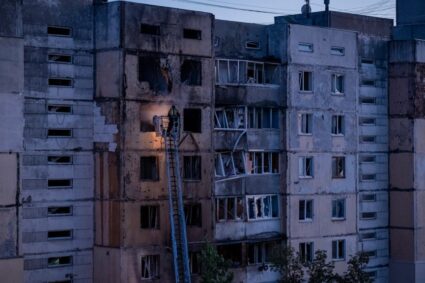
The United States and Iran have exchanged their most significant attacks in weeks, ending a month-long lull and renewing hostilities between the two sides. Washington said it struck Iranian military targets in response to attempted Iranian attacks on commercial shipping in the Strait of Hormuz and US forces in the region.
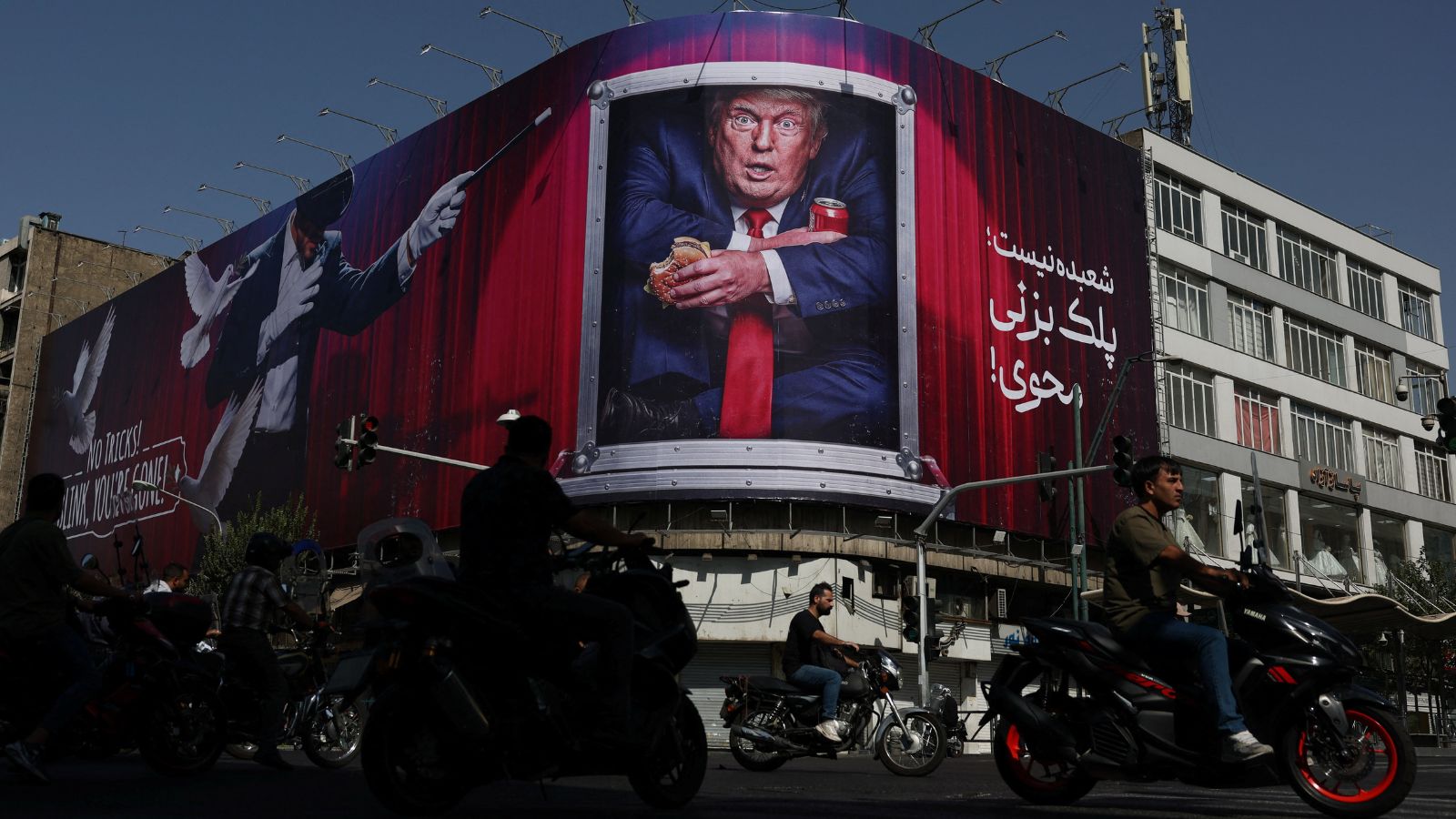
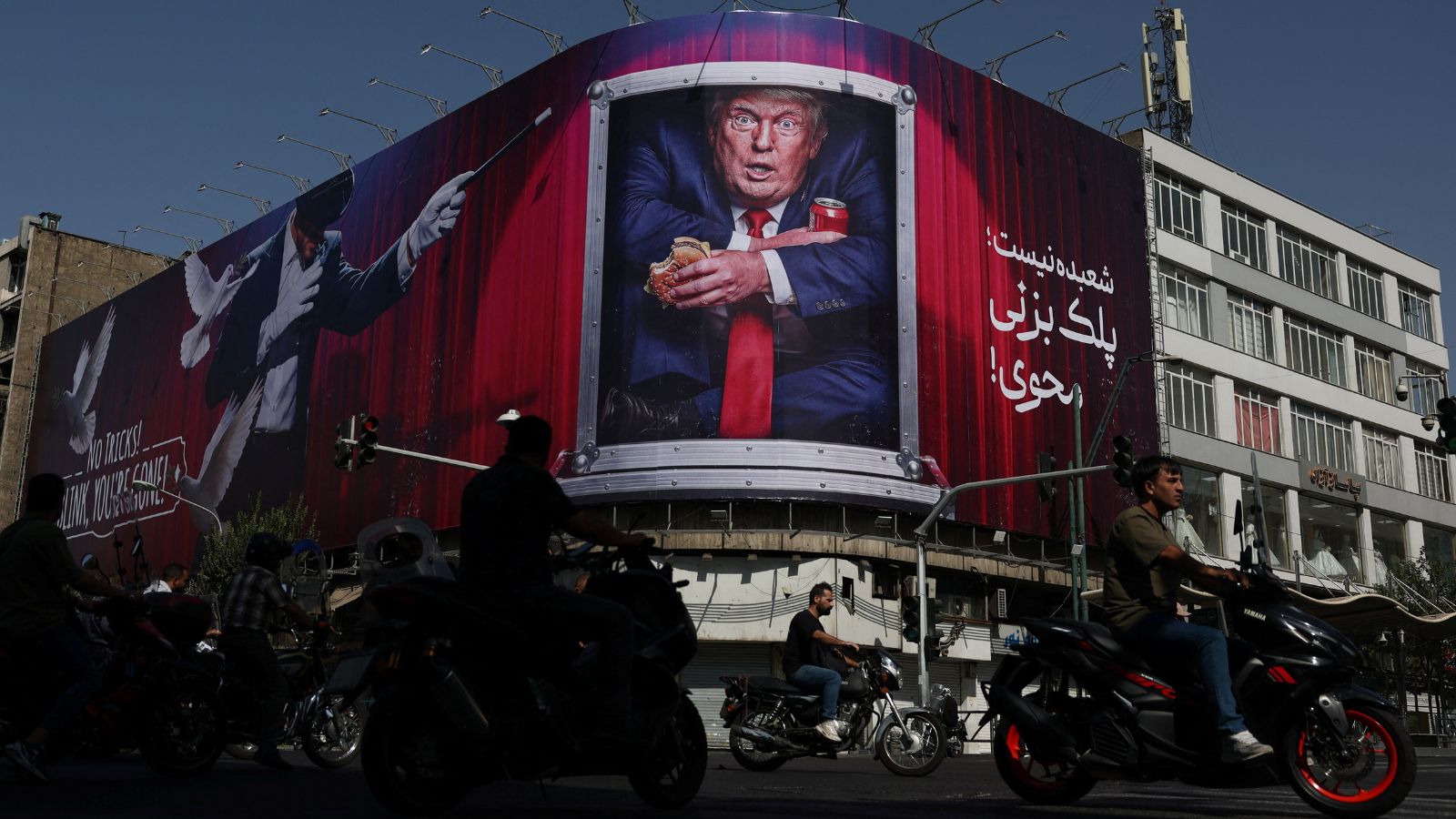
Iran responded with missiles and drones targeting US assets in the region, despite President Donald Trump warning that any retaliation would result in Iran being hit at a “much harder and higher level”.
The latest exchange has again put the Strait of Hormuz at the centre of the conflict, with only a handful of ships making the passage each day. Iranian authorities have also reported civilian casualties from the US strikes, including five people killed after shrapnel hit a home hosting a wedding in southern Iran. The renewed fighting has pushed up oil prices, while Iran’s Revolutionary Guards said two oil tankers hit sea mines and were disabled while attempting to pass through the Strait of Hormuz on Wednesday.
- 01
Why did the US strike Iran again?
US Central Command (CENTCOM) said Tuesday’s strikes were in response to attempted Iranian attacks on commercial shipping in the Strait of Hormuz and American forces in West Asia. The renewed fighting followed a US strike on Iranian rocket launchers on Larak Island over the weekend, which Washington said Iran planned to use to fire mines into the Strait of Hormuz, a key route for global oil shipments.
- 02
What did the US target?
CENTCOM said its strikes targeted Islamic Revolutionary Guard Corps (IRGC) air-defence sites, radar systems, maritime assets, mine-laying capabilities and communications sites. Iranian media reported strikes in and around Bandar Abbas, Qeshm Island, Chabahar, Konarak, Jiroft and Asaluyeh. Separately, Mehr News reported that three Basij paramilitary members were killed in US strikes on Lavan Island.
- 03
Five killed after shrapnel hits wedding venue
Iranian authorities said shrapnel from a US strike hit a home hosting a wedding near Sirik in southern Iran, killing five people and wounding dozens. The Iranian Red Crescent put the number of wounded at 50, while IRNA, citing a provincial official, reported 68 injuries. Mehr News said a four-year-old child was among those killed. The US military said it was aware of the report but that it “never targets civilians”.
- 04
Iran targets Jordan, Bahrain, Kuwait and Iraq
Iran responded by launching missiles and drones towards Jordan, Bahrain, Kuwait and Iraq, saying it was targeting US military assets. Jordan said its air defences dealt with 13 ballistic missiles, intercepting 10 while three fell in remote areas. Bahrain said it intercepted Iranian drones. The IRGC also said it attacked US bases in Erbil in northern Iraq and claimed American personnel were killed, but neither Iraq nor the US confirmed the attack.
- 05
Iranian drone sparks fire in Kuwait City
Kuwait said an Iranian drone struck a residential complex in its capital early Wednesday, causing a fire that was later extinguished, with no casualties reported. The IRGC separately said it carried out a missile and drone attack on Kuwait’s Ali Al Salem Air Base, targeting the accommodation of a US commander and drone facilities.
- 06
Two oil tankers hit mines in Strait of Hormuz, IRGC says
Iran’s Revolutionary Guards said two oil tankers hit sea mines and were disabled while attempting to pass through the Strait of Hormuz on Wednesday. The IRGC said the crews were forced to disembark and claimed the vessels had attempted to pass through what it called an “illegal route” despite earlier warnings about the dangers of crossing the mined passage.
- 07
Trump threatens ‘much harder’ response
US President Donald Trump warned that Iran would be hit at a “much harder and higher level” if it retaliated against the latest American strikes. After Tehran responded, Trump said he was not trying to force Iran back to negotiations and claimed the US had “almost total control” of the Strait of Hormuz while Iran’s economy was collapsing.
- 08
Strait of Hormuz remains largely disrupted
Despite US statements that the Strait of Hormuz is open, the Associated Press reported that only a handful of ships have been making the passage each day. About a fifth of the world’s traded oil passed through the waterway before the war began. Iranian Parliament Speaker Mohammad Baqer Qalibaf also warned that if Iran was prevented from exporting oil from the Persian Gulf, no other country would be able to export oil either.
- 09
Renewed fighting hits oil prices and markets
Brent crude climbed above $95 a barrel, more than 30% higher than at the start of the war. Asian stocks fell on Wednesday after the renewed US strikes pushed oil prices to a five-week high, while the US 10-year Treasury yield rose to its highest level in nearly three years.
- 10
Pakistan says it is working to revive talks
Pakistan said it remained engaged with both the US and Iran in efforts to end the conflict. Foreign Ministry spokesperson Tahir Andrabi said Islamabad was positive that the two countries would “return to the table for dialogue”. He also said Asim Munir’s visit to Tehran last month had created “considerable momentum” on the issue of the Strait of Hormuz.
(This article was curated by Aditi Anand, who is an intern with The Indian Express)
Stay updated with the latest – Click here to follow us on Instagram
