

Why Rubio wants to dismantle International Criminal Court

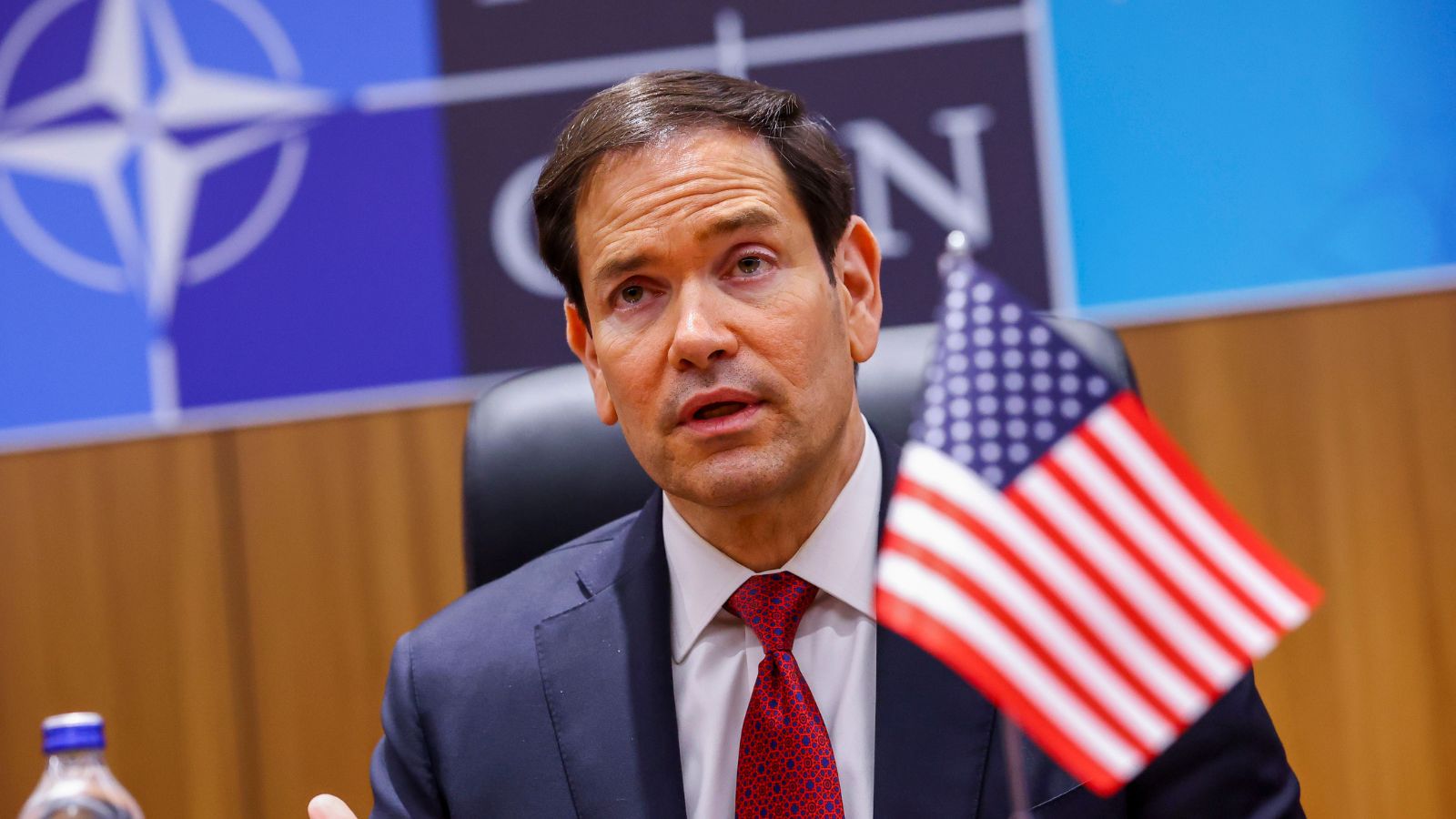
 U.S. Secretary of State Marco Rubio attends a trilateral meeting with Japanese Foreign Minister Motegi Toshimitsu and South Korean Foreign Minister Cho Hyun (not pictured) on the sidelines of the NATO leaders’ summit, in Ankara. (Photo: AP)
The Trump administration has launched a global diplomatic campaign to weaken the International Criminal Court (ICC), with US Secretary of State Marco Rubio urging countries to reject the court’s authority and warning that those refusing to cooperate could face sanctions, visa restrictions and increased scrutiny.
The State Department is leading a government-wide effort to isolate the ICC diplomatically. Officials are asking countries that rely on US assistance, host American troops, or work closely with US security forces to publicly reject the court’s authority over US personnel. Nations that refuse could face closer scrutiny, and Washington has not ruled out travel bans, visa cancellations, and fresh sanctions as pressure tools, CNN reported.
Why is Washington targeting the ICC now?
Tensions between the US and the court go back to Trump’s first term, when the ICC examined alleged war crimes by American troops in Afghanistan. Since then, the administration has sanctioned several ICC officials over their bids to investigate US and Israeli conduct. This latest campaign marks a sharp escalation, reaching well beyond earlier measures.
Writing in the Wall Street Journal, Rubio said the US intends to take the court apart “brick by brick, if necessary,” accusing it of being driven by groups hostile to America.
How are other countries being approached?
Senior officials, including Rubio himself, are personally calling governments to press them to leave the court and halt any funding to it. Countries outside the ICC, such as the US, are also being asked to use their diplomatic influence to back the campaign.
Story continues below this ad
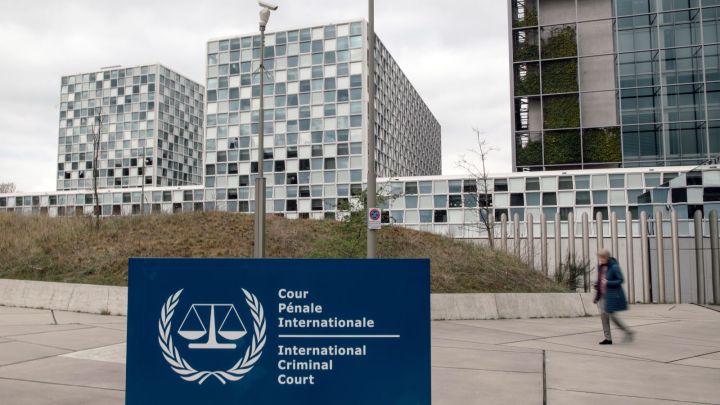
Rubio denied that US deportations to El Salvador and strikes on suspected drug traffickers at sea broke international law. He also turned down a request from the advocacy group Democracy for the Arab World Now (DAWN) for the ICC to probe alleged US war crimes tied to Iran, though he acknowledged such actions could invite scrutiny from the court.
What did the rights group say in response?
DAWN’s executive director, Omar Shakir, told CNN that Rubio had misrepresented the group’s request, which covered all sides in the conflict. He questioned whether Rubio believed American forces should also face investigation.
Shakir added that history would judge governments on whether they defended the international legal order built after World War II, saying that not just the ICC was now at risk, according to CNN.
