
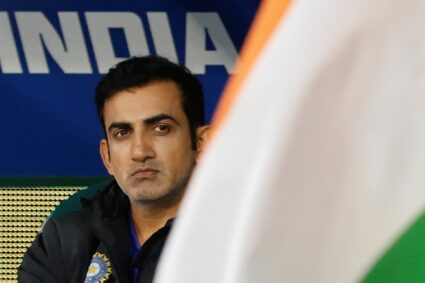

India vs New Zealand 3rd ODI: In the shadow of a great tragedy, the cricket jamboree arrives to lift mood, image


On Friday, the roads leading into the Holkar Stadium, Indore’s modest yet vibrant international cricket venue, showed signs that, even if briefly, the mood around this city may move away from despair.
The Indian men’s cricket team arrives for the third ODI against New Zealand on Sunday, in the backdrop of a heartbreaking tragedy. At least 15 lives have been lost here after consuming contaminated water, the state government revealed to the high court on Tuesday. For a city that prides itself for being the cleanest in the country – prominently advertised in billboards plastered everywhere, and for the most part, evidenced on its streets – to fail to provide clean drinking water can be quite the jolt to collective pride.
But the arrival of India’s ODI caravan, comprising batting superstars Virat Kohli and Rohit Sharma, and the celebratory mood that comes with it may bring some much-needed upliftment in both mood and image for Madhya Pradesh’s rising urban metropolis. “A good match could be something like a comeback for the city,” Rajiv Risodkar, a former umpire- turned committee member of the Madhya Pradesh Cricket Association (MPCA) admitted.
No series victory, five-for or century can make up for lives lost in such circumstances. But in no other situation does the ability of sport to distract and entertain, even if just for a few hours, appeal so much. Even more so when emotionally resonant notes are hit the way India’s ODI team is currently performing.
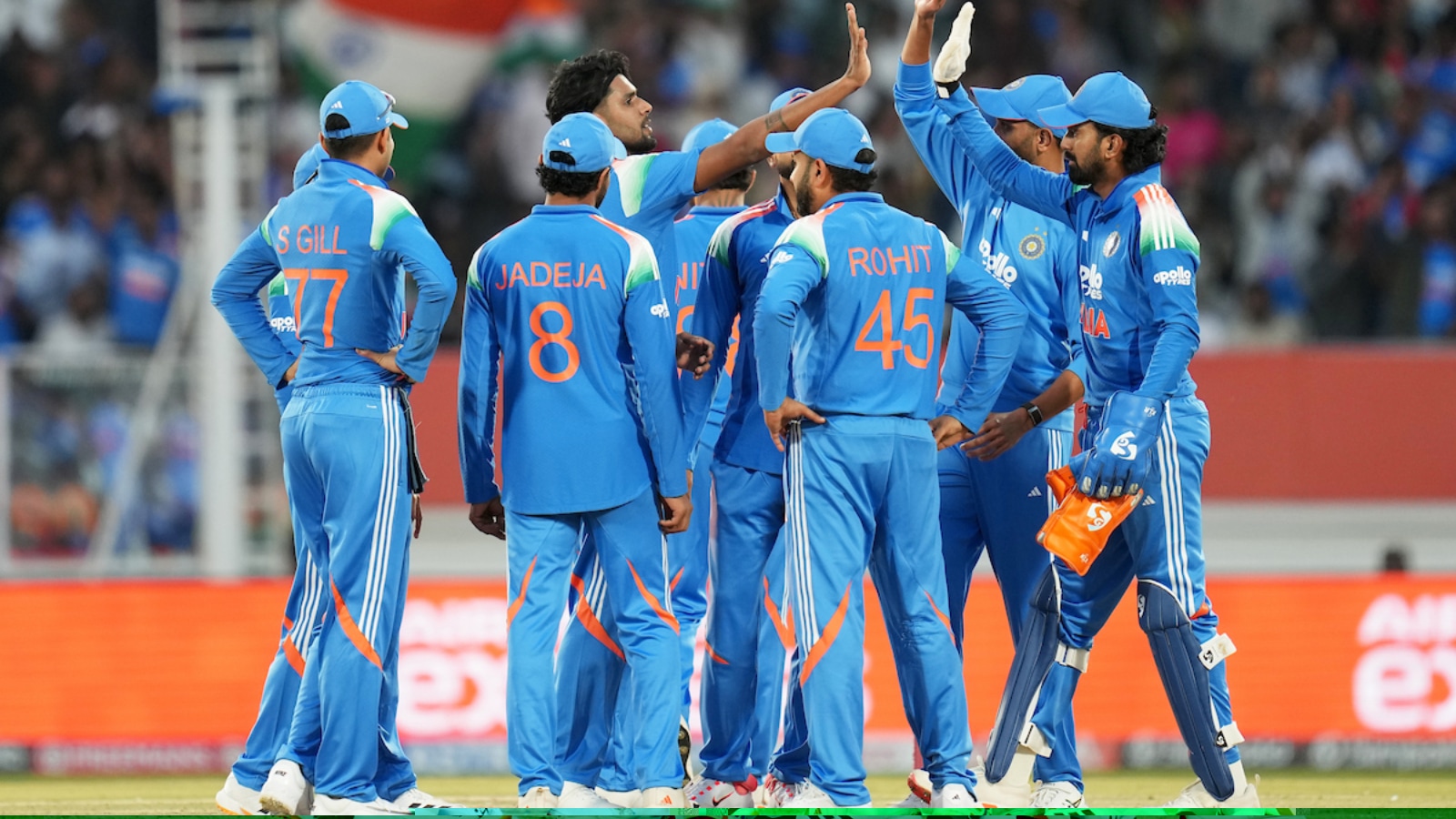 India players celebrate the wicket of Devon Conway of New Zealand during the 2nd ODI match at Niranjan Shah Stadium, Rajkot, India, on January 14, 2026. (CREIMAS for BCCI)
Bilateral cricket is no longer in vogue, even more so in the 50-over game whose eloquent obituaries have been penned for some time. But with the added excitement of India’s ageing batting superstars only turning out for the ODIs, craze around the format has been a throwback to the early naughts. Virat Kohli and Rohit Sharma went to Ranchi, Raipur, and Visakhapatnam to take on South Africa last month and duly obliged the fawning, expectant fans with vintage performances.
Runs and raucous support have continued to flow – at least for Kohli – against the unheralded, but competitive, New Zealand side during the Gujarati double-header in Vadodara and Rajkot. The same is expected here this weekend, with the series poised at 1-1.
The scenes outside the Holkar Stadium on Friday gave impressions of business as usual. Healthy crowds stationed themselves outside the venue to get a glimpse of the training Indian team that didn’t turn up at all. Roadside hawkers made a killing by selling jerseys. Some of the fans tried to cut deals – half begging, half bribing, all unsuccessfully – with security personnel for a closer look.
Story continues below this ad
Legacy, vibrancy
The city’s cricket tragics do not need any additional motivation to turn up. Indoris take cricket as seriously as they take their poha, especially considering this city is steeped in history. The erstwhile Holkar royals, after whom the stadium is named, patronised seriously competitive teams. Yesteryear titans like Syed Mushtaq Ali and CK Nayudu plied their trade here. The Holkar has only been a Test centre since 2016, but international white-ball games were held at the nearby Nehru Stadium as far back as 1983.
That kind of legacy may give this city a cricketing identity on its own, but the inherent vibrancy of the people here makes it an ideal sporting venue. This is a city that prides itself as a destination for food lovers, famous for night markets like Sarafa Bazaar – a jewellery market by day, street food haven by night – and Chhappan Dukaan. It speaks of the makeup of a place where people like to have a good time outdoors.
“Tickets (for Sunday’s ODI) were sold out within two hours of going up for sale,” Rohit Pandit, MPCA chief administrative says. “That has happened before. People turn out in big numbers for cricket here.”
India has historically thrived here, winning each of the seven ODIs they have played at this venue. And the ground on which Virender Sehwag hit a double century, the highest individual ODI score at the time in 2011, is still retaining its identity as a bit of a belter.
Story continues below this ad
The strip to be used for Sunday’s ODI is made up of black soil, which will offer true bounce and not wicked spin. It has the makings of a typical 50-over batting-friendly surface, the kind where pacing of an innings can be crucial, and runs are there to be plundered once early nerves are settled.
“The surface has been prepared keeping the format in mind. The outfield is also expected to be very fast, with a lot of grass cover,” Manohar Jamle, MPCA’s chief curator, says. “The spectators can expect good entertainment.”
It remains to be seen how that affects India’s fortunes in the series decider, especially with the onset of dew in the winter evenings set to give the chasing side the edge. But the conditions on offer give India’s batting titans the best chance for another show of strength before they go into hibernation until the IPL. That, in itself, will lift the mood here.