
US–Iran Talks Live Updates: Washington imposes new sanctions ahead of critical Geneva talks with Tehran

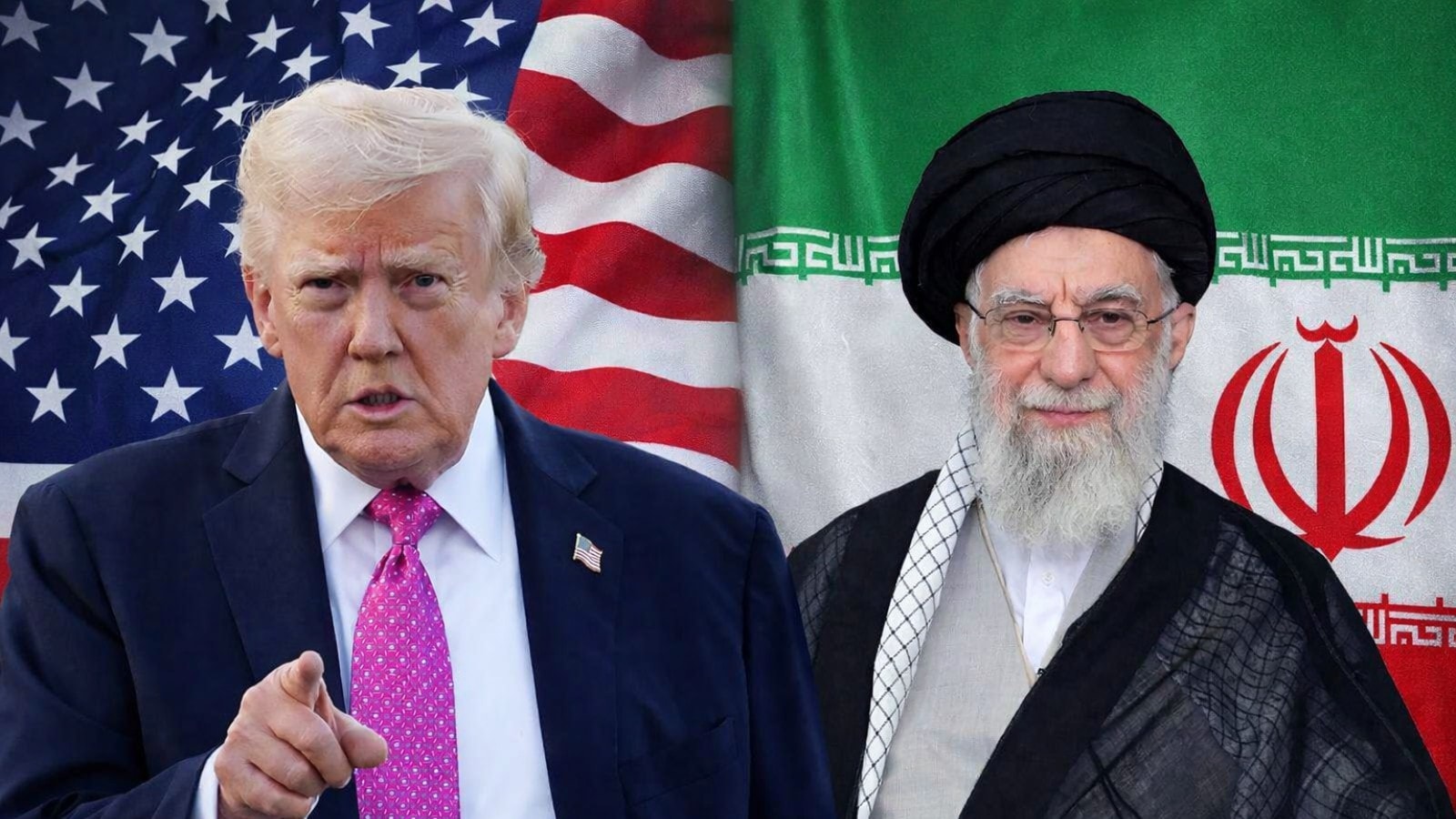
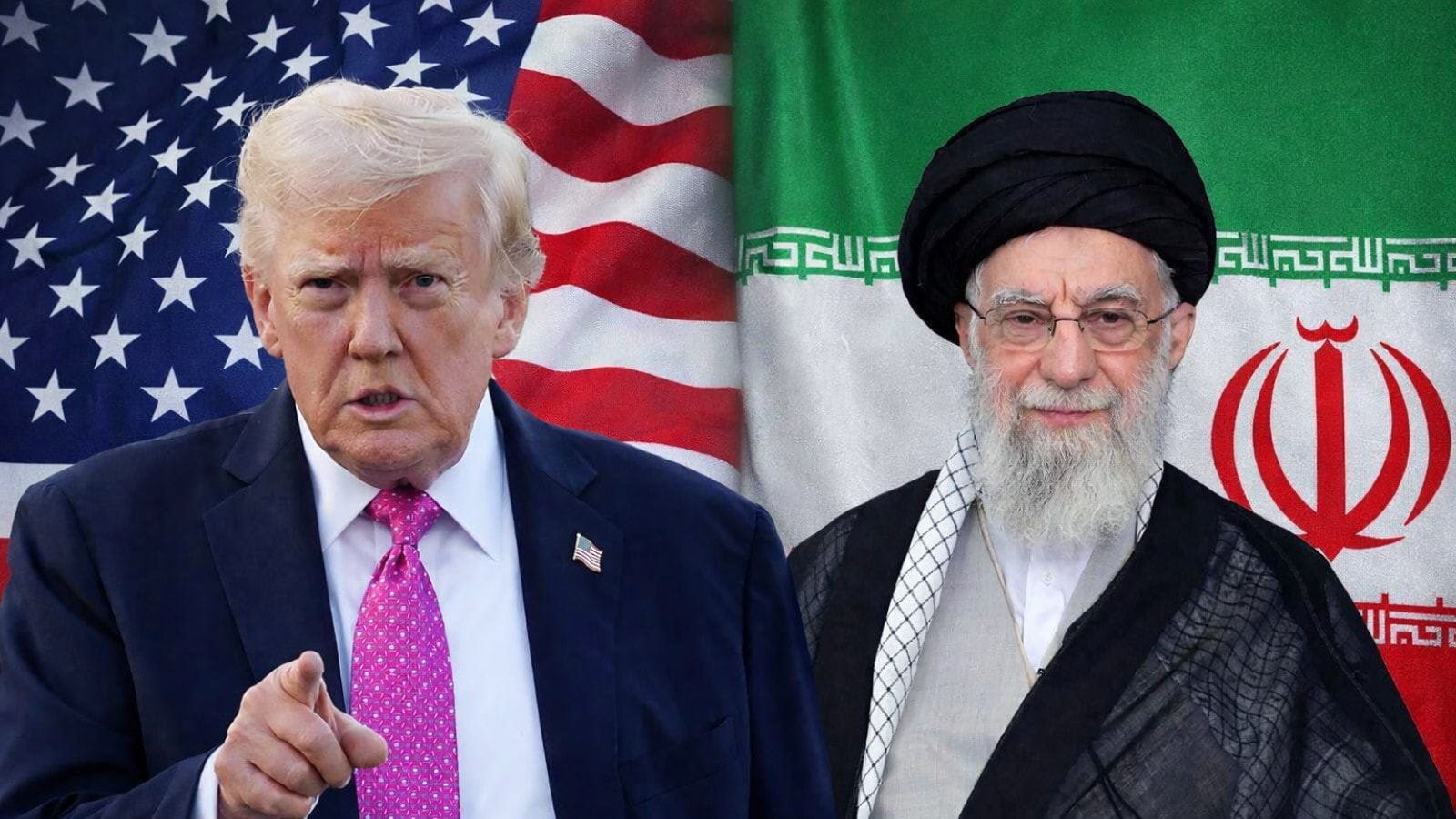
US–Iran Talks Live Updates: The world’s attention turns to Switzerland this Thursday as high-stakes nuclear negotiations between Washington and Tehran resume under a cloud of military threats and economic pressure. With the Trump administration signaling this may be the “final diplomatic off-ramp,” here is the latest on the situation:
On Wednesday, the Trump administration intensified its “maximum pressure” campaign, blacklisting more than 30 individuals, entities, and “shadow fleet” vessels. The Treasury Department accused the targets of enabling Iran’s ballistic missile program, drone production, and illicit oil sales.
Story continues below this ad
Treasury Secretary Scott Bessent stated that the move is designed to curb the regime’s weapons capabilities. This economic squeeze coincides with the largest US military buildup in the Middle East in decades, including the deployment of the USS Abraham Lincoln and USS Gerald Ford carrier strike groups, as President Donald Trump warns that military force remains a viable option to prevent Iran from obtaining a nuclear weapon.
Tehran rejects “big lies” ahead of Geneva
Iran responded sharply Wednesday to President Trump’s State of the Union address, in which he claimed Iran was restarting its “sinister ambitions” for nuclear weaponry. An Iranian Foreign Ministry spokesperson dismissed the remarks as “big lies,” specifically contesting Trump’s figures regarding the death toll from recent nationwide protests.
Despite the rhetoric, Iranian President Masoud Pezeshkian expressed a “good outlook” for the upcoming talks, emphasising that a deal could be reached through “honorable diplomacy” if Washington prioritizes negotiation over threats.
Nuclear talks: The stakes in Geneva
Scheduled for Thursday, the third round of talks under Oman’s mediation represents a critical juncture. The delegations represent the highest levels of both governments:
Iran: Led by Foreign Minister Abbas Araghchi, who arrived in Geneva Wednesday afternoon.
United States: Led by Middle East envoy Steve Witkoff and senior advisor Jared Kushner.
Vice President JD Vance recently reiterated that the administration’s goal is a total cessation of Iran’s nuclear weapon capabilities. However, with the US demanding a detailed proposal within a 48-hour window, diplomats warn that the margin for error has never been thinner.
Our Global Desk is verifying reports of maritime movement in the Strait of Hormuz and monitoring live statements from US Special Envoy Steve Witkoff and Iranian Foreign Minister Abbas Araghchi. Stay tuned for real-time alerts, satellite imagery analysis, and diplomatic breakthroughs.
Live Updates
