


Marco Rubio claims ‘Operation Epic Fury’ over as US moves to reopen Strait of Hormuz

3 min readUpdated: May 6, 2026 04:07 PM IST
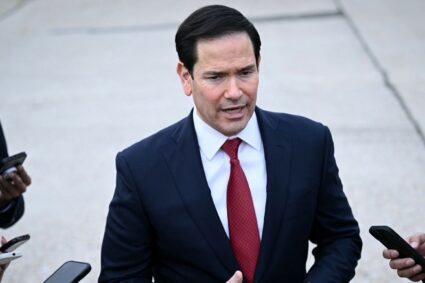
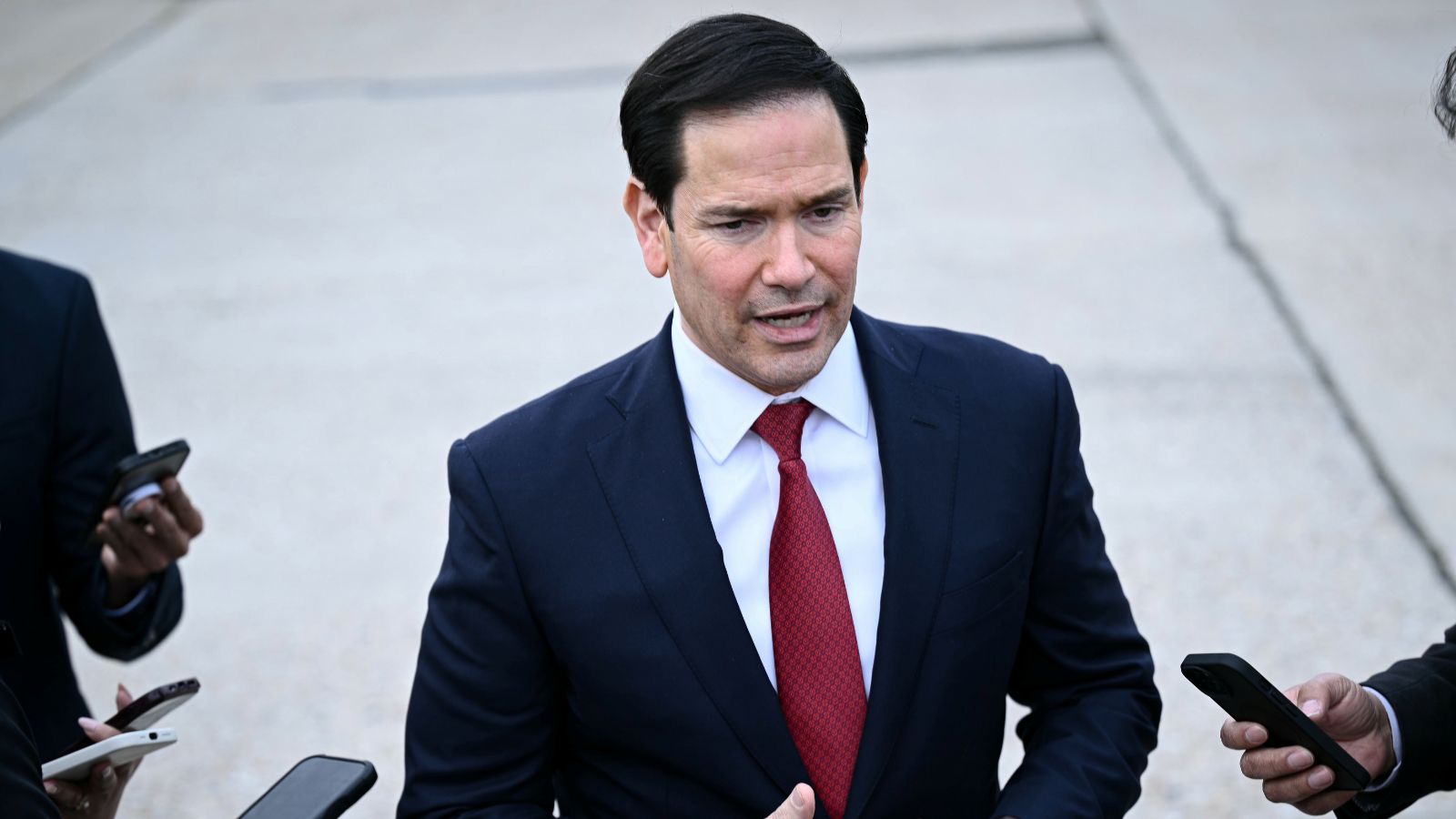
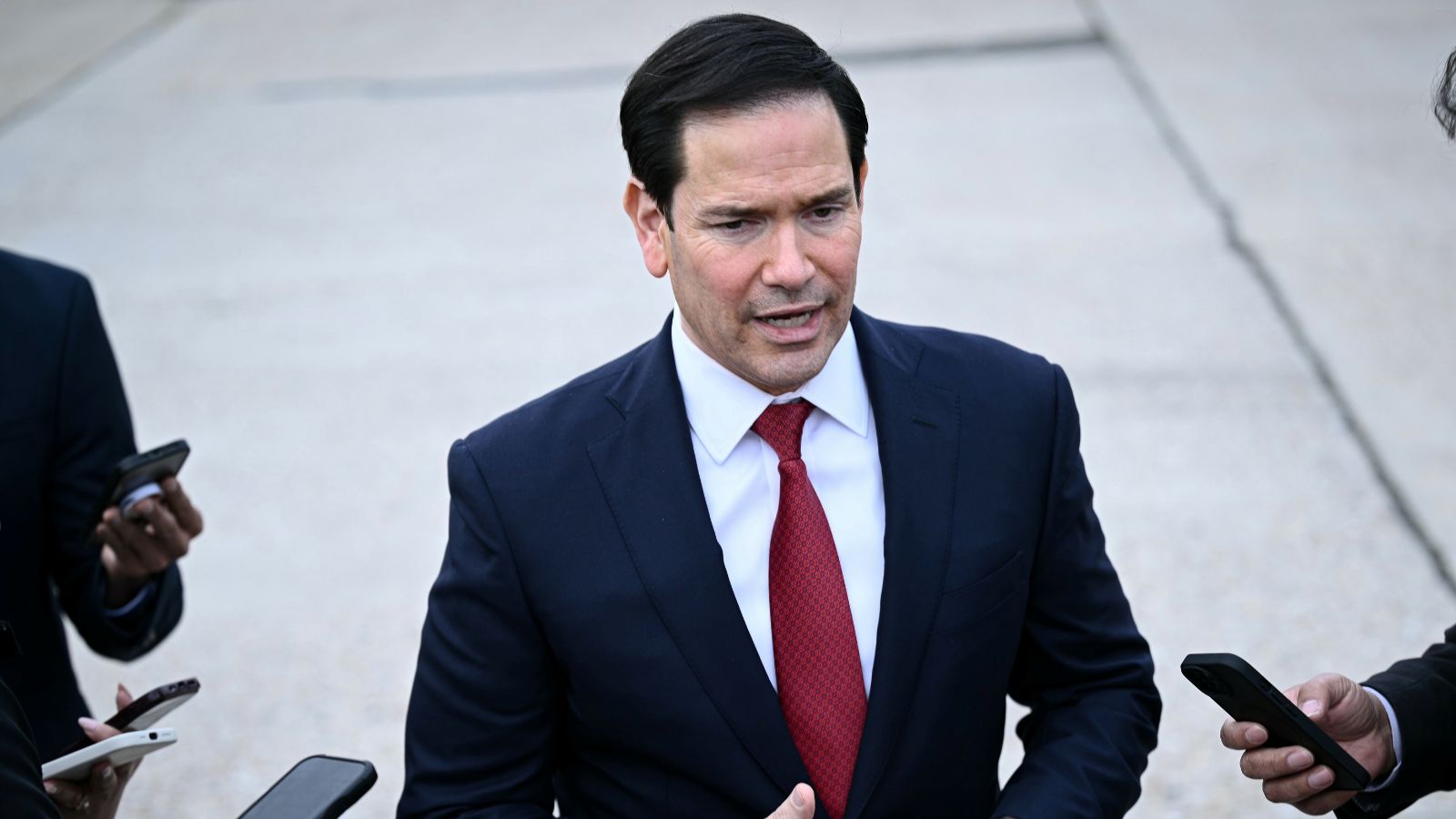
US Secretary of State Marco Rubio said ‘Operation Epic Fury,’ which began on February 28 against Iran, has ended. Speaking at a White House briefing, he stated the mission had “achieved its objectives”. The US and Iran are trying to reach an agreement that would end hostilities and reopen the Strait of Hormuz, after their coordinated strikes kickstarted the current conflict.
Speaking to reporters, Rubio said: “The operation is over…As president notified Congress, we’re done”.
The top Trump administration official said the US was “done with that stage of it” and the US had shifted to a “defensive” posture, focused more on restoring commercial passage through the Strait of Hormuz.
“This is not an offensive operation,” Rubio said. “There’s no shooting unless we’re shot at first.”
.@SecRubio: “Operation Epic Fury is concluded. We achieved the objectives of that operation. We’re not cheering for an additional situation to occur. We would prefer the path of peace. What @POTUS would prefer is a deal… that is, so far, not the route that Iran has chosen.” pic.twitter.com/blkqn3Bqdm
— Rapid Response 47 (@RapidResponse47) May 5, 2026
Rubio said the US had made some adjustments to a draft UN resolution on the Strait of Hormuz to avoid potential vetoes by China and Russia, news agency Reuters reported. The revised draft demands Iran stop its attacks, mining, and tolling in the waterway, and allow humanitarian relief to come through.
Draft UN Resolution
The new draft UN Security Council resolution, by the US and Gulf countries, seeks to condemn Iran for blocking the Strait of Hormuz. It threatens to impose sanctions on Iran if it does not fulfil the demands put forward and continues the obstruction.
Following the launch of Operation Epic Fury, Iran effectively blocked the Strait of Hormuz. This resulted in thousands of ships being stranded outside the water channel. Consequently, global oil prices surged manifold, breaching the 125-dollar-per-barrel mark.
Despite several attempts by the US to get the Strait opened, Iran refused. Iran, however, selectively allowed ships, including those bound for India, through the Strait of Hormuz. It even brought in legislation in the national parliament to monetise the channel in violation of international maritime laws.
Story continues below this ad
Trump’s Project Freedom
Operation Project Freedom was launched on May 4, 2026, by Donald Trump as a US military operation to help ships get past Iran’s blockade of Hormuz.
The mission aims to provide safe passage for nearly 23,000 mariners from 87 countries stranded in the Persian Gulf for over two months. Rubio described the new operation as “defensive in nature” to restore the flow of global commerce rather than engage in further strikes.
However, President Donald Trump has put a temporary halt to ‘Project Freedom’ to allow stranded vessels out of the Strait of Hormuz and finalise a peace deal with Iran.
For global markets, including India’s energy sector, the success of these diplomatic changes at the UN will be the decisive factor in the safe reopening of shipping routes.
Stay updated with the latest – Click here to follow us on Instagram
© IE Online Media Services Pvt Ltd