

Women’s Asia Cup: Despite the unequal rivalry, India-Pakistan match could raise temperature

4 min readUpdated: Sep 4, 2026 10:35 PM IST
The buck stops with this.
In its tenth iteration, the Women’s Asia Cup has garnered lukewarm response. The usual suspects have made the gulf between the field’s strongest and weakest sides more apparent than ever before. No David has come remotely close to troubling a Goliath. Records have fallen — Smriti Mandhana alone set a clutch of them on Thursday — but there has barely been anyone around to witness it.
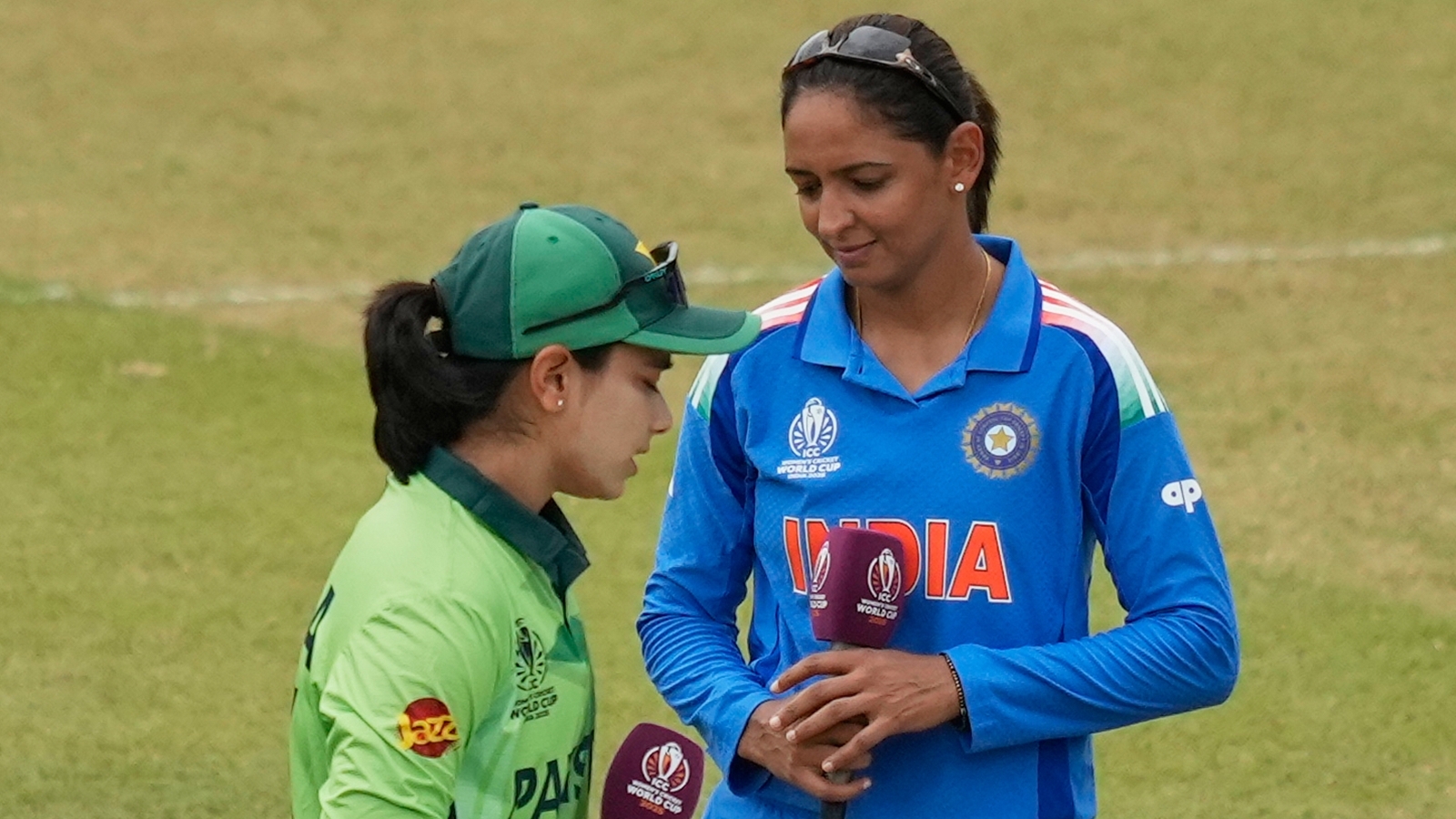
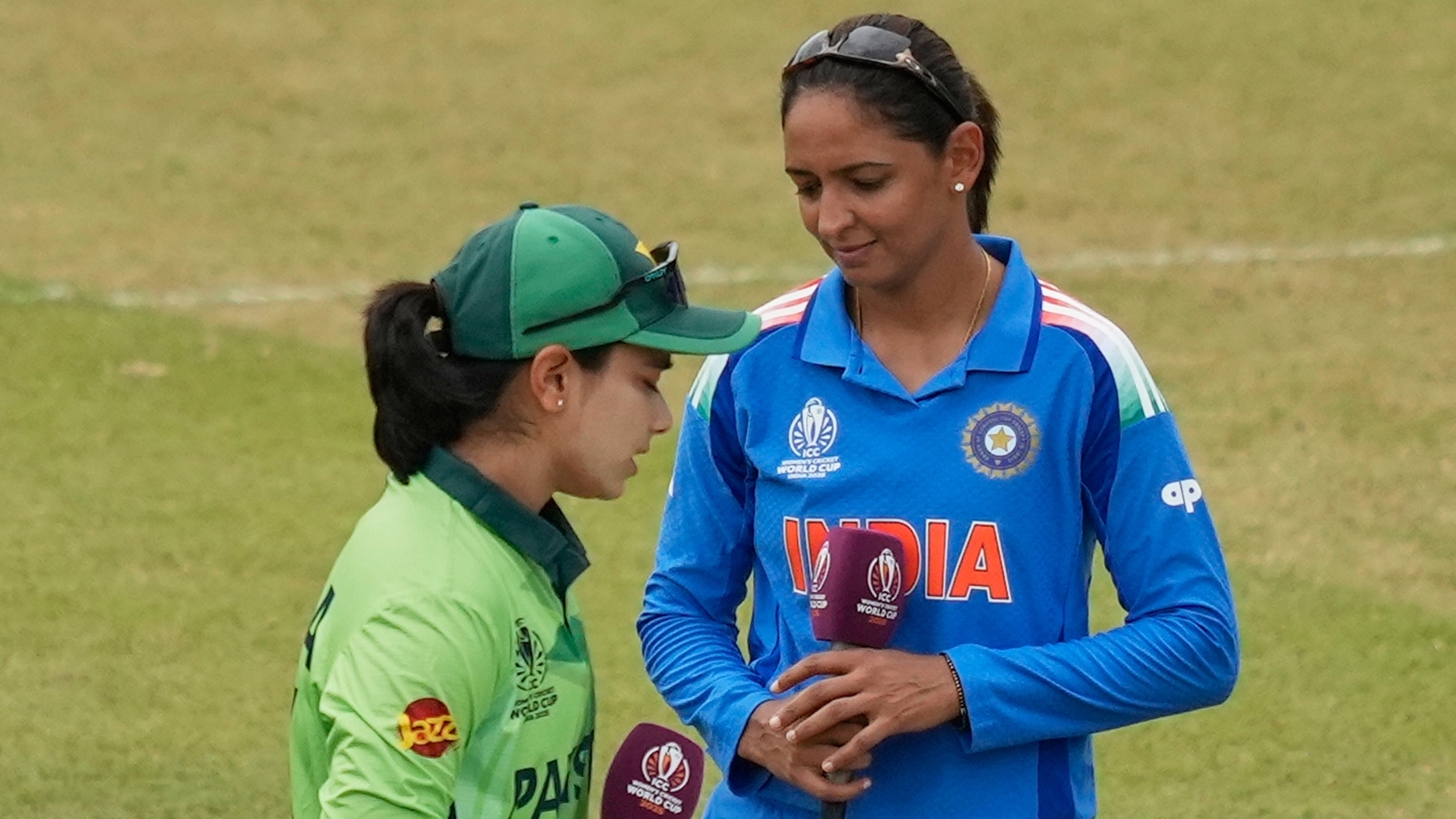
Into this setting walks the tournament’s most anticipated fixture — India versus Pakistan.
Per comparative analysis, this is unlikely to be a closely fought contest. In the last ten years, Pakistan have beaten India only once across formats. Their T20I win percentage is 17.65%. They have never won the Asia Cup either — Bangladesh have that distinction, and Sri Lanka, of course, are the defending champions.
But rivalry pays little heed to cricketing logic. It is, perhaps, for this reason that barely had the Indian team stepped foot in Dubai that head coach Amol Muzumdar was asked whether his players will shake hands with their Pakistani counterparts. Or why, after a match-winning half-century against Thailand, six of the ten questions put to Muneeba Ali in her post-match press conference were about the India fixture.
The players have embraced it too. On the eve of the match, Deepti Sharma made no attempt to play down India’s superiority. “Be it at the Asia Cup or in other tournaments, we have always been a step ahead of them,” she said.
The all-rounder has been in fine fettle with the ball. In two matches, be it against much lower ranked teams Thailand and Hong Kong, she has taken six wickets — only three shy of the total runs she has conceded.
Story continues below this ad
Successful teams tend to feature spinners hunting in pairs. In the Indian team, though, they do so in triads. Sree Charani has returned figures of 4 for 26, while Prema Rawat — who had played only a single international fixture before this competition — has chipped in with two wickets at an economy of 3.28.
“Charani is an exceptional talent. She has done really well for India in the past one year. As for Prema, she has hardly played for India but whenever the team needs her, she is ready to give breakthroughs,” Deepti had said about the trio.
Grim portrait
India’s batting, though, tells a thinner story beyond the opening pair of Smriti Mandhana and Shafali Verma, who have accounted for 66.8% of the side’s total runs in the competition so far.
In that vein, Pakistan’s story is along similar lines. They have scored over 130 only twice in their last ten T20Is, and could only manage 111/9 against Thailand. In that same period, though, they have taken 59 wickets at 21.35 and 7.34. Bar against the Netherlands, Pakistan lost all of their matches in the 2026 T20 World Cup, and yet, captain Fatima Sana was the joint second-highest wicket-taker. In comparison, their leading run-scorer, Muneeba ranked a distant 29th on the leaderboard.
Story continues below this ad
“We will strategise differently for the match against India. It was a bit difficult to adjust to the conditions in our first game, but we will do better against them,” Ali had said after beating Thailand.
Whether they have the tools, or the tactical nous necessary to do better, will be known in a few hours. History offers little encouragement — there has been barely a contest between the two sides in the last five meetings across formats. And yet, because it is a match between neighbours, because eleven figures donned in blue will face an equal share clad in green, and because it is India vs Pakistan, it could still turn into a heated affair.
If not cricketing metaphorically, literally, at least — Saturday’s ‘real feel’ temperature in Dubai is expected to touch 46°C.
India vs Pakistan, live from 8 pm on Sony Sports Network and Sony LIV.
