



Strait of Hormuz: Is Iran losing control as US patrols intensify?

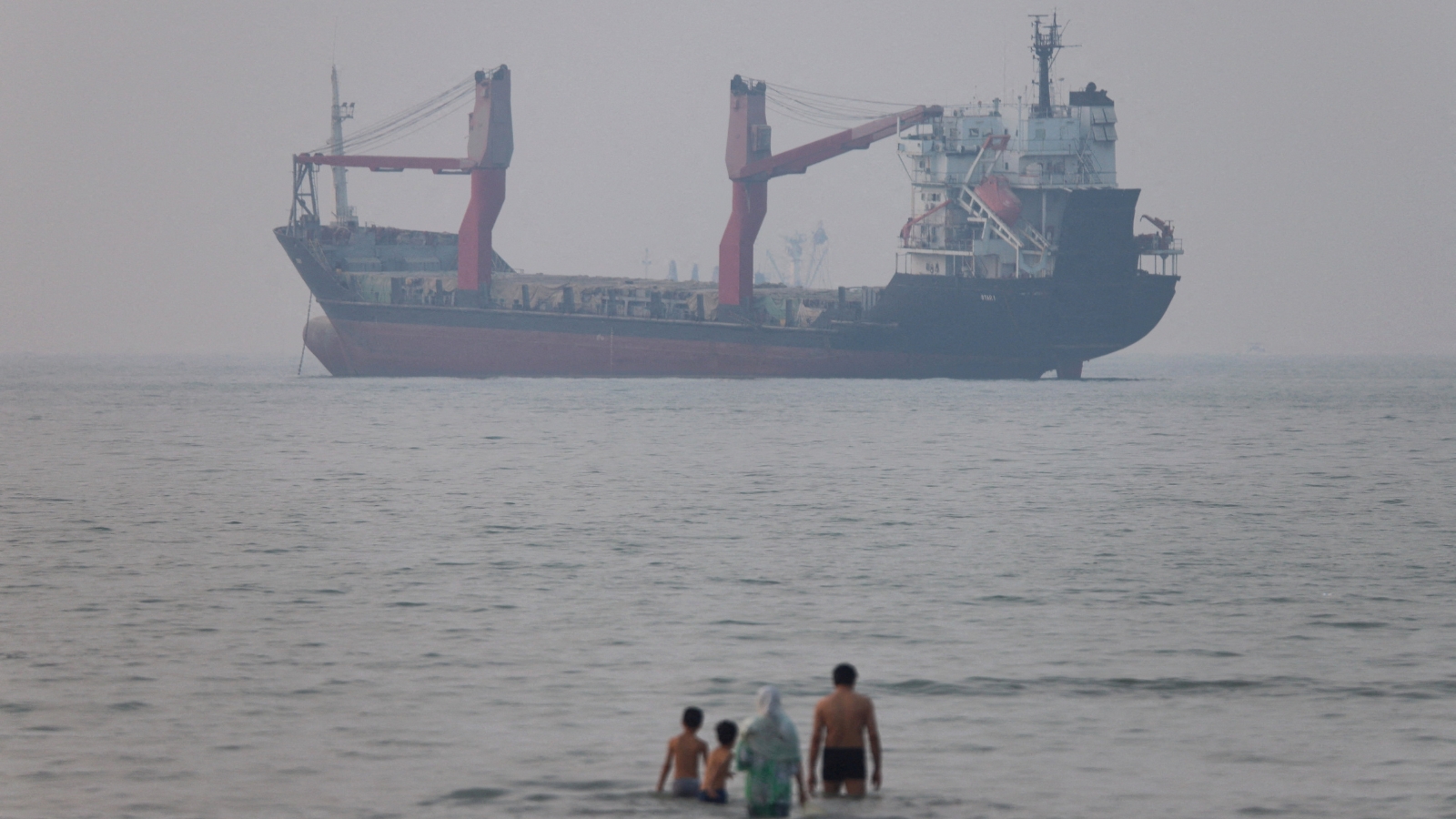
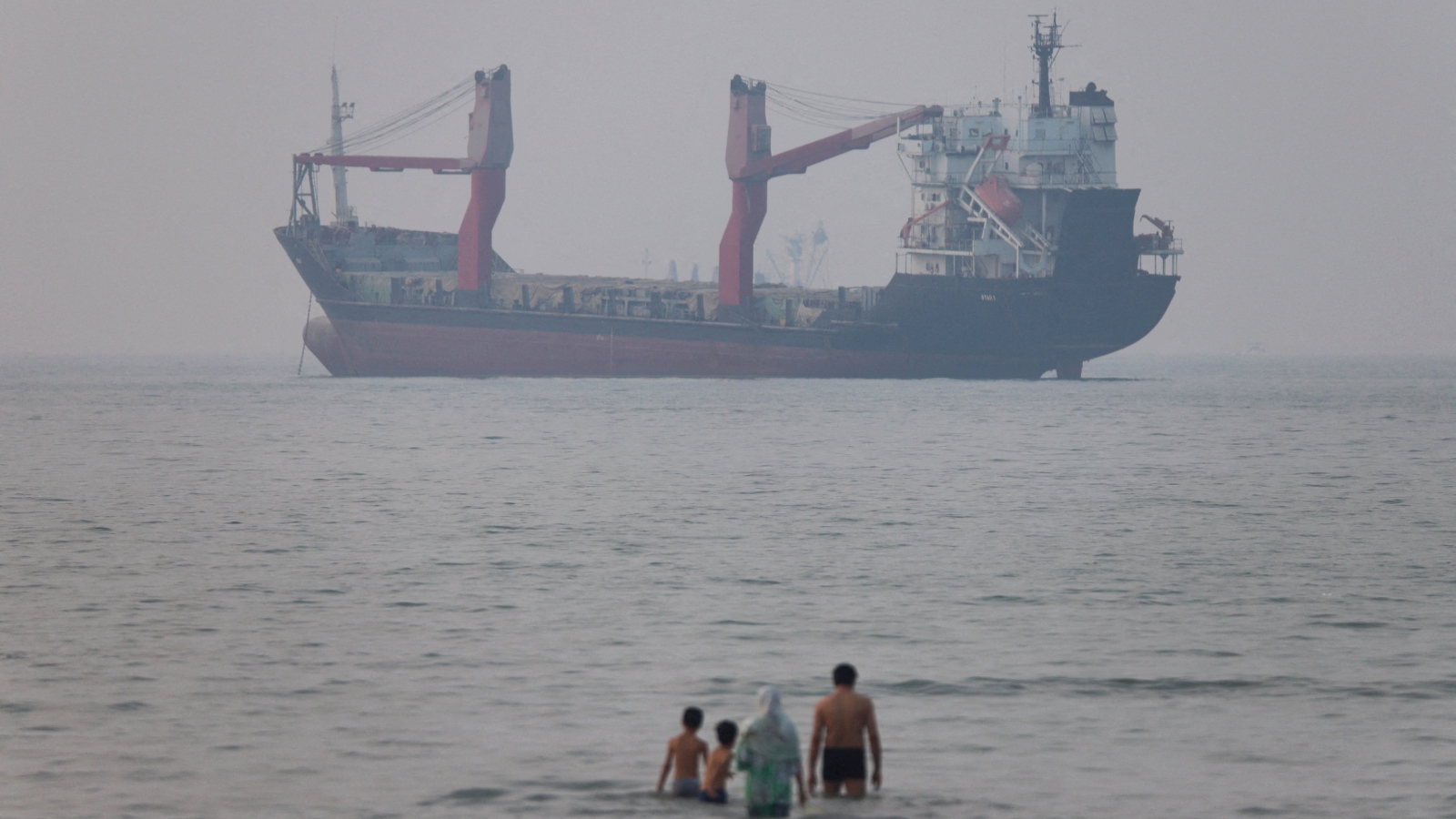
The fight for control of the Strait of Hormuz is entering a new phase, with the United States claiming greater control over the critical waterway, while Iran insists it remains closed to shipping. But recent vessel-tracking data suggests neither side has complete control, with commercial traffic still far below normal levels, CNN reported.
The latest data from maritime intelligence firm Kpler shows that only six commodity vessels crossed the strait on Tuesday, down from nine the previous day and below the 10-day daily average of 11. Most shipowners continue to avoid the waterway because of uncertainty over whether it is safe to transit.
The Strait of Hormuz carried about one-fifth of global crude oil and liquefied natural gas shipments before the Iran war, making the disruption a major concern for energy markets. Oil prices rose to three-week highs on Wednesday as uncertainty over shipping persisted, news agency Reuters reported.
US claims it controls Hormuz. Does it?
US President Donald Trump has repeatedly claimed that Washington has taken control of the waterway. Trump said on Monday that the US had “total control” of the Strait of Hormuz, a claim he repeated despite continued attacks on shipping and oil flows remaining well below pre-war levels.
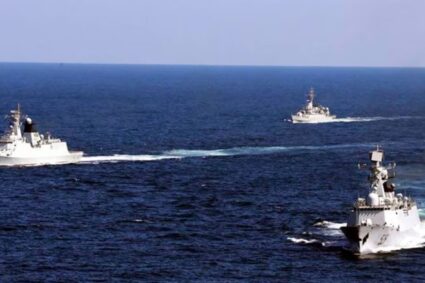
The latest shipping data complicates that assertion. While US naval forces have been patrolling the waterway and offering protection to vessels attempting to transit, the number of ships actually crossing remains limited.
6
Commodity vessels crossed Hormuz on Tuesday
11
10-day daily average crossings
20%
Share of global crude oil & LNG before the war
📊 Hormuz: Before the war vs Now
BEFORE WAR
Pre-Feb 28, 2026
🛢
~130
vessels per day
⛽
20%
of global oil & LNG
🚢
15m+
barrels/day
✅
Both lanes openNormal traffic flow
🌏
Asia, Europe, N. Americaall supplied via strait
NOW
Aug 2026 · Disrupted
🛢
6
vessels on Tuesday
📉
11
10-day daily average
🇴🇲
Oman corridorincreasingly used by ships
⚠️
US-Iran standoffNo direct talks
🇺🇸
US naval forcesescorting limited traffic
Daily vessel crossings: then vs now
Traffic is down ~92% from pre-war levels
The competing claims
🇺🇸 US says
“Strait is open”
US naval forces are protecting shipping
Trump claims “total control” of the waterway
🇮🇷 Iran says
Strait remains closed
Iran retains control and management
Reopening depends on Tehran’s conditions
Reuters confirms the competing US and Iranian positions — and the continuing low shipping volumes through the strait.
📊 What the data suggests
Iran appears to have lost some control over the route — ships are increasingly using the Omani corridor. But normal shipping has not returned. Traffic has shifted south, yet overall crossings remain far below pre-war levels. Neither side’s claim fully matches what the data shows.
🇮🇳 Why India should care
Hormuz is a critical artery for Gulf energy exports to Asian markets. Continued disruption means higher crude prices → higher import costs → pressure on India’s inflation and trade balance. India depends heavily on Gulf oil and cannot easily substitute volumes at this scale.
Sources: Reuters · US Central Command · Iran state media · Shipping data cited in Reuters reporting. Vessel count figures are as reported.
CNN, citing Kpler analysis, reported that more than 80 per cent of liquid-cargo transits over the previous two weeks had either used the Omani side of the strait or were “dark” transits that were likely taking the same route. The Omani route is a UN-authorised shipping channel that Iran has opposed.
“It increasingly looks like Iran has at least partially lost control of the strait,” Homayoun Falakshahi, head of crude oil analysis at Kpler, told CNN.
Story continues below this ad
That represents a significant shift from a month earlier, when Kpler recorded virtually no traffic through the Omani route.
Why are ships avoiding Iran’s route?
Iran has declared the strait to be under its control and has attacked vessels attempting to use the northern coast of Oman, according to CNN’s analysis. Despite the risks, more ships have recently been using the Omani side, with some relying on US naval protection.
The shift has also affected Iran’s ability to collect fees from vessels passing through the waterway. CNN reported that Iran had previously sought to charge tolls on shipping, but the reduction in traffic through its preferred route has made that more difficult.
At the same time, some Gulf states are finding ways to move their oil without relying entirely on the conventional route.
Story continues below this ad
Kuwait, Saudi Arabia and the UAE have chartered very large crude carriers (VLCCs) to move oil out of the Persian Gulf through Hormuz and transfer it to other tankers in the Gulf of Oman, the CNN report added.
Some of these vessels have switched off their transponders for extended periods to reduce the risk of being targeted. Such “dark” shipping is consequently harder for conventional tracking systems to monitor.
Middle East transits diverge#MarineTraffic data show a marked divergence in shipping activity across two key Middle East chokepoints on 18 August. Confirmed Strait of Hormuz crossings declined 17% from the previous day to 10, with six vessels exiting the MEG and four entering.… pic.twitter.com/rj4ez6zsK1
— MarineTraffic (@MarineTraffic) August 19, 2026
But has Iran not lost all leverage?
The data does not mean the US has established full control of Hormuz. Iran continues to pose a threat to vessels attempting to cross the waterway, while the overall volume of shipping remains dramatically below pre-war levels.
Dan Pickering, founder and chief investment officer of Pickering Energy Partners, told CNN that Iran’s objective may be less about completely controlling the waterway and more about deterring ships from using routes it does not approve of.
Story continues below this ad
“If their goal is to be ‘in charge,’ then I’d say they were never completely in control to start with,” Pickering said.
That distinction is important. The US may have made it harder for Iran to enforce its preferred shipping route, but the continued reduction in traffic means Washington cannot yet claim that normal freedom of navigation has been restored.
What happened to shipping through Hormuz?
Before the war, the strait handled roughly 20 per cent of global crude oil and LNG shipments. On Tuesday, however, Kpler recorded only six commodity-vessel crossings. The traffic included an empty VLCC entering via the Omani side, two other tankers and three vessels leaving the strait.
Two major Chinese shipping companies that previously carried about half of China’s Middle Eastern oil imports have also kept their tankers away from Hormuz and the Bab el-Mandeb since late July, according to tanker tracker Vortexa and a ship broker cited by Reuters.
Story continues below this ad
That has raised concerns for the world’s biggest oil importer and added pressure to global energy markets.
The temporary ceasefire between the US and Iran expired on Monday without a broader agreement, adding to uncertainty over the future of maritime traffic.
Oman emerges as key player
The dispute has also placed Oman at the centre of efforts to restore shipping through the strait. Oman and Iran have been holding discussions over the safety and management of navigation through Hormuz. Earlier agreements between the two countries committed them to ensuring safe passage and continued consultations over the future management of the waterway.
The talks have angered Trump, who has threatened military action against Oman if it interferes with US efforts involving Iran, according to regional officials cited by Associated Press.
Reporter: This morning you said you would bomb the shit out of Oman if they got in the way.
Trump: I don’t think they behave very well, but we handle them. pic.twitter.com/4s7UbxuhCg
— Clash Report (@clashreport) August 17, 2026
That creates a three-way contest over the future of Hormuz: Iran wants to retain influence over shipping, the US says it is providing security and protection, while Oman is trying to negotiate a framework for navigation.
Story continues below this ad
Why this matters for India
The Strait of Hormuz matters significantly to India because any disruption to the flow of oil and gas through the waterway can push up crude prices, raise shipping costs and increase the country’s import bill. The uncertainty is already being felt in global markets. Brent crude rose to $91.79 a barrel on Wednesday, its highest level since July 30, while US crude also climbed to its highest level since late July.
